The Fraser's fir Plant Advantage: Maximizing Home and Office Appeal and Wellness
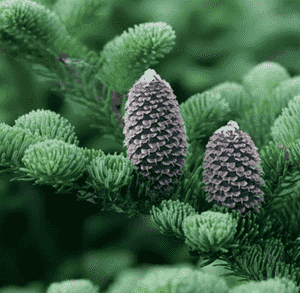
1
Fraser's fir is a favored selection for holiday trees because of its pleasant scent and robust limbs.
2
This species is recognized for its capacity to flourish in colder environments and elevated terrains.
3
Fraser's fir can enhance the purity of indoor air, rendering it an advantageous inclusion in any residence.
What Makes Fraser's fir Special?
An Evergreen Beauty
A key characteristic of Fraser's fir is its rich green needles that stay vivid all year, earning it the designation of an evergreen plant. This trait makes it a favorite during the holiday season, especially as a Christmas tree. Its appealing form and pleasant aroma create a festive mood that many people value.
A Conifer of the Mountains
Fraser's fir flourishes in cool, elevated environments, particularly in mountainous regions. Its ability to adapt to these harsh conditions showcases its resilience and robustness. Cultivating Fraser's fir in your landscape can also bring a touch of the tranquil mountain setting directly to your yard.
Environmental Benefits
Air Quality Improvement
Fraser's fir significantly aids in enhancing air quality. Like other flora, it takes in carbon dioxide and releases oxygen, which is vital for maintaining our atmosphere's equilibrium. Furthermore, Fraser's fir can capture and filter out pollutants and dust from the air, making the environment healthier.
Erosion Control
Fraser's fir possesses a strong root system that assists in preventing soil erosion, especially on inclines and mountainous terrains. The roots bind the soil together, stopping it from being washed away by precipitation or wind. Planting Fraser's fir can be a practical solution for preserving soil health in vulnerable areas.
Uses of Fraser's fir in Landscaping
Aesthetic Appeal
Fraser's fir is widely valued for its visual charm. Its symmetrical shape, abundant foliage, and vibrant color make it an attractive addition to gardens and yards. It's frequently used as a focal point in landscape design due to its striking appearance.
Natural Privacy Screen
The dense foliage of Fraser's fir can function as an effective natural privacy barrier. Strategically planting these trees around your property can create a secluded sanctuary, offering privacy from neighboring properties and the street. This makes Fraser's fir an excellent choice for establishing a peaceful, private outdoor space.
Caring for Fraser's fir at Home
Optimal Growing Conditions
Fraser's fir prefers well-drained, acidic soil and thrives in areas that receive ample sunlight. Sufficient watering, especially during dry spells, is crucial to maintain its health and vitality. It's also important to ensure that the soil around the tree is moist but not waterlogged.
Pest and Disease Management
Like all vegetation, Fraser's fir can be susceptible to certain pests and diseases. Regular inspection and prompt treatment can prevent infestations and infections. Applying mulch around the base of the tree can also help retain moisture and improve the plant's overall health.
How Fraser's fir Helps Wildlife
Habitat for Birds and Small Animals
Fraser's fir offers shelter and habitat for numerous birds and small animals. Its dense branches provide protection and nesting sites, making it an important component of local ecosystems. By planting Fraser's fir, you contribute to biodiversity and provide a haven for wildlife.
Food Source
The seeds and needles of Fraser's fir can serve as a food source for various wildlife species. Birds, in particular, may feed on the seeds, while the foliage can provide sustenance for other creatures. This symbiotic relationship highlights the ecological importance of planting Fraser's fir.



