The Noble fir Plant Advantage: Maximizing Home and Office Appeal and Wellness
1
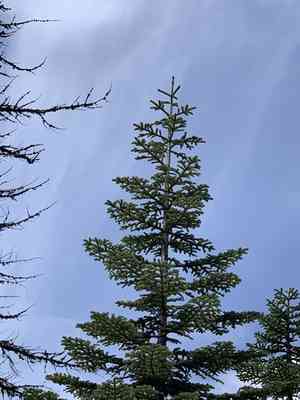
The noble fir is frequently chosen for landscaping because of its appealing look.
2
This particular tree is recognized for supplying valuable timber and wood materials.
3
Noble fir provides ecological advantages, including better air quality and shelter for animals.
What Are the Main Applications of Noble Fir?
Lumber and Timber Products
A primary advantage of Noble fir is its use in the lumber sector. Its wood is highly sought after for its robustness and endurance. Builders frequently utilize Noble fir timber for construction, including crafting furniture, flooring, and other wood items. Its premium lumber resists decay and endures harsh weather, making it a favored option in various building applications.
Landscaping and Decorative Uses
Beyond its practical construction uses, Noble fir is also valued for its aesthetic appeal. Many homeowners and landscape designers incorporate Noble fir into their outdoor plans to add an elegant evergreen touch. Its tall, conical form and soft, blue-green needles make it a popular choice for gardens, parks, and other outdoor areas. Furthermore, during the festive season, Noble fir is often selected as a Christmas tree due to its balanced shape and pleasant aroma.
What Ecological Benefits Does Noble Fir Offer?
Air Quality Improvement
A key ecological benefit of Noble fir is its capacity to enhance air quality. Like other evergreen trees, Noble fir absorbs carbon dioxide and releases oxygen through photosynthesis. This not only helps decrease the overall carbon footprint but also aids in producing fresh oxygen, vital for human and animal life. Planting Noble fir in urban and suburban zones can significantly boost air quality, making it a valuable addition to green spaces.
Wildlife Habitat
Another ecological advantage of Noble fir is its function as a sanctuary for various wildlife species. Birds, mammals, and insects find shelter within the dense foliage and branches of this tree. The seeds and needles of Noble fir serve as food sources for different forest creatures, thereby supporting biodiversity. Additionally, its thick bark and large trunk offer nesting sites and protection from predators, making Noble fir a crucial element of forest ecosystems.
How Does Noble Fir Enhance Soil Health?
Erosion Prevention
Noble fir plays a vital role in maintaining soil health, particularly in preventing soil erosion. Its extensive root system helps stabilize the soil, reducing the risk of landslides and soil loss caused by wind and water. This makes Noble fir an excellent choice for planting on slopes, hillsides, and other areas susceptible to erosion.
Soil Enrichment
In addition to erosion control, Noble fir contributes to soil fertility. The fallen needles and organic matter from Noble fir decompose and return essential nutrients to the soil. This natural process enriches the soil, fostering the growth of other plants and contributing to a healthy ecosystem. Farmers and gardeners often use mulch from Noble fir to improve soil texture and fertility in their agricultural practices.



