The Pearl acacia Plant Advantage: Maximizing Home and Office Appeal and Wellness
1
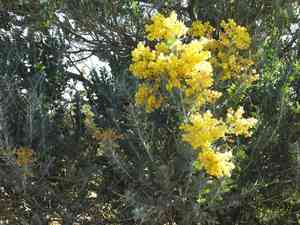
The pearl acacia is recognized for its appealing, aromatic yellow blossoms that appear in the colder months.
2
This species aids in stopping soil degradation and enhancing earth fertility.
3
It needs little upkeep, making it perfect for dry environments.
What Makes Pearl acacia Unique?
Visual Appeal
A key characteristic of Pearl acacia is its visual charm. The shrub displays lovely, bright yellow blossoms during winter, providing a burst of color when most other flora is inactive. These fragrant flowers attract various pollinators, making it a lively addition to any outdoor space.
Minimal Upkeep Needs
Pearl acacia is well-suited for dry, arid environments and needs relatively little water once established. This makes it an excellent option for xeriscapingâa landscaping method designed to reduce or eliminate the need for irrigation. Its hardy nature means it can flourish in poor soil conditions, which can be beneficial for drought-prone regions.
How Pearl acacia Benefits the Environment
Enhancing Soil Quality
One of the ecological advantages of Pearl acacia is its capacity to improve soil quality. This plant is known to fix nitrogen in the soil, boosting fertility and encouraging better growth for nearby plants. This natural fertilization process lessens the need for chemical fertilizers, making it an environmentally friendly gardening solution.
Erosion Prevention
Pearl acacia possesses extensive root systems that aid in preventing soil erosion. These roots stabilize the soil, making it less vulnerable to wind and water erosion. By planting Pearl acacia in areas susceptible to erosion, you can safeguard the landscape and preserve the soil's integrity.
Tips for Cultivating Pearl acacia in Your Garden
Optimal Growing Conditions
To ensure the best outcomes, plant Pearl acacia in well-draining soil and a location that receives full sunlight. While it tolerates various soil types, providing good drainage will help the plant establish more quickly. Regarding watering, consistent irrigation is necessary during the first year, but afterward, Pearl acacia becomes quite drought-resistant.
Pruning and Maintenance
Pearl acacia requires minimal pruning, but occasional trimming can encourage more robust growth and maintain its form. Removing dead or damaged branches will enhance overall plant health. Additionally, mulching around the base can help retain moisture and keep the soil temperature stable.
Integrating Pearl acacia into Landscape Designs
Creating Visual Highlights
Due to its striking yellow flowers and lush foliage, Pearl acacia serves well as a focal point in garden designs. Plant it near paths, entrances, or garden beds to draw attention and add visual interest. Its vibrant blooms can complement various other plant species, making it a versatile choice.
Companion Plantings
Combine Pearl acacia with other drought-tolerant plants to create a harmonious and sustainable garden. Succulents, ornamental grasses, and other native plants are excellent companions that can thrive alongside Pearl acacia without competing for resources. This approach not only enhances the garden's aesthetics but also promotes biodiversity.



