The Vine maple Plant Advantage: Maximizing Home and Office Appeal and Wellness
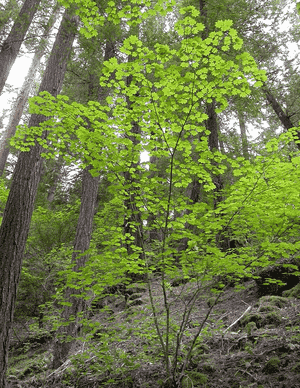
1
Vine maple is recognized for its brilliant autumn hues, enhancing outdoor aesthetics.
2
Vine maple delivers superb erosion prevention advantages, safeguarding soil integrity.
3
Vine maple furnishes crucial shelter and sustenance for indigenous fauna.
Why Plant Vine Maple?
Visual Appeal
A key characteristic of Vine maple is its vivid and varied foliage. In autumn, its leaves transform into a brilliant display of oranges, reds, and yellows, making it a stunning focal point for any garden or landscape. This seasonal change not only enhances visual beauty but also harmonizes with the shifting seasons, offering an ever-changing view.
Adaptability and Growth Form
Vine maple flourishes in both sun and shade, making it a highly versatile plant. Its multi-stemmed, shrub-like growth habit allows it to quickly fill large areas while also being suitable for smaller garden spaces. It's an excellent choice for hedges, borders, and even as a standalone specimen due to its unique branching and dense foliage.
How Does Vine Maple Benefit the Environment?
Erosion Prevention
Vine maple plays a vital role in preventing soil erosion. Its extensive root system helps stabilize the soil, particularly on slopes and riverbanks. By planting Vine maple, you can protect your landscape from the damaging effects of water runoff and soil erosion, thus preserving the integrity of your garden and surrounding areas.
Supporting Local Wildlife
Vine maple is not only visually pleasing; it's also a crucial resource for local wildlife. Its flowers provide nectar for pollinators like bees and butterflies, while its seeds serve as food for birds and small mammals. By introducing Vine maple into your garden, you create a microhabitat that supports biodiversity and fosters a healthy ecosystem.
What Are the Maintenance Needs for Vine Maple?
Watering and Soil Preferences
Vine maple prefers moist, well-drained soil and thrives with consistent watering, especially during dry spells. However, it's quite resilient and can tolerate occasional drought once established. Mulching around the base can help retain soil moisture and regulate temperature, reducing the need for frequent irrigation.
Pest and Disease Resistance
Vine maple is generally resistant to most pests and diseases, making it a low-maintenance addition to your garden. Regular monitoring and proper care, such as avoiding waterlogged soil and ensuring adequate air circulation, can maintain its health. Occasional pruning helps preserve its shape and promotes vigorous growth, further enhancing its resilience.
Can Vine Maple Be Used in Landscape Design?
Integration with Other Plants
Vine maple complements a wide variety of other plants due to its diverse color palette and adaptable growth patterns. It pairs well with evergreens, other deciduous trees, and various shrubs, making it an excellent addition to mixed borders and woodland gardens.
Seasonal Interest and Design Versatility
Beyond its spectacular fall colors, Vine maple offers year-round appeal. Its winter silhouette, with intricate branching patterns, provides visual interest even in the dormant season. This flexibility makes it valuable for creating multi-seasonal landscape designs, ensuring your garden remains attractive throughout the year.



