The Box elder Plant Advantage: Maximizing Home and Office Appeal and Wellness
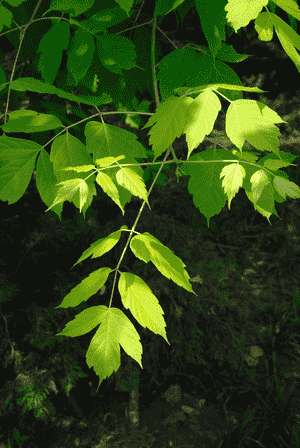
1
The box elder is a rapidly growing tree, capable of swiftly improving your garden's verdant areas.
2
This tree demonstrates significant versatility across diverse soil compositions and environments.
3
Box elder contributes to local biodiversity by offering shelter to avian species and insects.
Why Select Box Elder for Your Garden?
Versatility and Resilience
Box elder is renowned for its remarkable capacity to adapt to diverse soil types and environmental conditions. Regardless of whether your garden features sandy, clay, or loamy soil, Box elder can flourish with minimal attention. This hardiness makes it an excellent option for gardeners seeking low-maintenance trees. Furthermore, Box elder can endure both wet and dry conditions, further demonstrating its robustness.
Rapid Development and Verdant Canopy
A prominent characteristic of Box elder is its swift growth rate. It can quickly establish itself and provide a rich green canopy, offering shade and visual appeal to your garden. This rapid development also means that Box elder can effectively contribute to reforestation efforts and the restoration of green spaces in a relatively short timeframe.
Thermal Extremes Tolerance
Box elder exhibits excellent tolerance to a broad spectrum of temperatures, making it suitable for various climates. This tree can withstand both intense cold and heat, ensuring it remains a viable choice for gardeners in different geographical areas.
Environmental Advantages of Box Elder
Supporting Local Fauna
Box elder plays a vital role in sustaining local ecosystems. Its dense foliage and branching structure offer refuge and nesting sites for various bird species. Additionally, its flowers and seeds serve as food sources for insects and small mammals. By cultivating Box elder, you contribute to the preservation of local wildlife and biodiversity.
Soil Enrichment and Erosion Prevention
Box elder is recognized for its capacity to enhance soil health. The tree's extensive root system aids in preventing soil erosion by stabilizing the ground. Its leaf litter, upon decomposition, enriches the soil with organic matter, boosting its fertility. This soil improvement is particularly advantageous in areas prone to degradation.
Air Quality Enhancement
Trees play a significant role in improving air quality, and Box elder is no exception. Through the process of photosynthesis, Box elder absorbs carbon dioxide and releases oxygen, contributing to cleaner and healthier air. Moreover, Box elder can capture dust particles and other pollutants, further improving the air quality in your surroundings.
Aesthetic and Practical Applications of Box Elder
Landscaping and Decorative Value
Box elder offers considerable decorative value with its lush green foliage and attractive form. It can be utilized as a focal point in landscaping projects, creating a vibrant and dynamic element in your garden. Its seasonal color changes add visual interest throughout the year, making it a versatile option for aesthetic purposes.
Windbreaks and Privacy Screens
Due to its dense growth and ability to reach substantial heights, Box elder is frequently employed as a natural windbreak or privacy screen. Planting Box elder along your property's perimeter can reduce wind speeds, shield your garden from harsh weather conditions, and provide a natural barrier that enhances privacy.
Shade and Cooling Effects
The expansive canopy of Box elder provides ample shade, which can significantly lower temperatures in its vicinity. Planting this tree around your home or garden can create cool, shaded areas ideal for relaxation and recreation, reducing the need for artificial cooling systems and conserving energy.
Cultivating and Caring for Box Elder
Planting Guidelines
When planting Box elder, select a site that provides sufficient room for its roots and canopy to expand. Dig a hole that is twice as wide and as deep as the root ball. Ensure the tree is planted at the same depth as it was in the nursery container. After planting, water the tree thoroughly to aid its establishment.
Maintaining Box Elder
Box elder requires minimal upkeep once established. Regular watering, especially during dry spells, ensures vigorous growth. Pruning may be necessary to remove dead or diseased branches and to maintain the desired shape. Fertilization is typically not needed, but an occasional application of compost or organic matter can promote robust growth.



