The Sycamore Plant Advantage: Maximizing Home and Office Appeal and Wellness
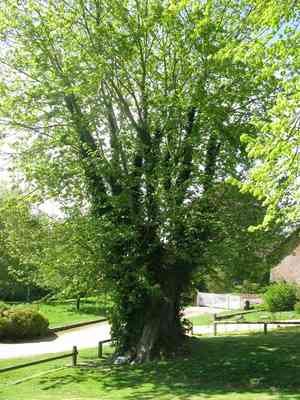
1
The Sycamore tree exhibits significant resilience to city contaminants, rendering it suitable for urban green spaces.
2
Its expansive crown offers substantial shade, contributing to the mitigation of urban heat effects.
3
Sycamore fosters ecological diversity by providing a home for numerous avian species and insects.
Why Is Sycamore Ideal for City Green Spaces?
Tolerance to Urban Contaminants
Sycamore exhibits strong resilience in contaminated urban settings where other flora might struggle. This species flourishes in zones with elevated air pollution, making it an excellent selection for metropolitan landscapes. Its capacity to endure pollutants ensures its health and vigor even in suboptimal conditions.
Contribution to Urban Cooling
A significant advantage of Sycamore is its capacity to lessen the heat island effect in city areas. With its expansive and thick canopy, it offers ample shade, which aids in cooling the surrounding environment. This natural cooling impact can lead to a more pleasant living experience and decrease the need for artificial cooling methods.
Reduction of Noise Pollution
Beyond filtering air pollutants, Sycamore plays a crucial role in diminishing noise. Its foliage acts as a sound barrier, absorbing and deflecting city sounds. Planting Sycamore in loud urban areas can foster quieter, more tranquil environments, enhancing the overall quality of life.
Environmental and Ecological Advantages of Sycamore
Increased Biodiversity
Sycamore serves as a vital habitat for various wild species, especially birds and insects. Its extensive branches and dense leaves provide nesting spots and protection. By planting Sycamore, you contribute to local biodiversity and support ecosystems by offering a sanctuary for wildlife.
Soil Stabilization and Erosion Control
The root system of Sycamore is particularly effective at stabilizing soil and preventing erosion. In areas prone to erosion, planting Sycamore can significantly alleviate this problem. Its roots bind the soil together, maintaining the integrity of the land and preventing degradation.
Carbon Sequestration
Sycamore plays a key role in carbon sequestration, helping to combat climate change. By absorbing carbon dioxide from the atmosphere and storing it in its biomass, Sycamore acts as a carbon sink. This process contributes to the reduction of greenhouse gases, making Sycamore a valuable ally in global climate initiatives.
How Sycamore Benefits Your Garden
Aesthetic Appeal
Sycamore offers significant visual appeal to any garden. With its broad, lobed leaves and distinctive appearance, it serves as an attractive focal point in any landscape design. Its seasonal changes, particularly the vibrant autumn foliage, add dynamic visual interest to gardens throughout the year.
Shade and Comfort
By providing extensive shade, Sycamore creates a cool and comfortable environment in your garden. This not only enhances your outdoor living experience but also benefits underplantings that thrive in partial or full shade. The shaded areas beneath Sycamore can be ideal spots for setting up leisure spaces like benches or hammocks.
Enhanced Soil Health
The presence of Sycamore can improve soil health in your garden. Its fallen leaves decompose and enrich the soil with organic matter, enhancing nutrient availability. This natural process boosts the fertility of your garden soil, creating better growing conditions for other plants.



