The Ground elder Plant Advantage: Maximizing Home and Office Appeal and Wellness
1
Aegopodium podagraria flourishes in low-light conditions, making it an ideal ground cover.
2
Historically, this plant has been incorporated into diverse culinary preparations and salads.
3
Aegopodium podagraria contributes to better soil health and helps prevent soil degradation.
Why Ground Elder Excels as a Ground Cover
Flourishes in Dimly Lit Areas
Ground elder is well-known for its capacity to thrive even in the most shaded parts of your garden. Its robust nature enables it to spread rapidly, forming a verdant carpet that can outcompete less desirable vegetation. This adaptability makes it an excellent option for filling in barren spots where other plants might struggle to grow.
Minimal Upkeep Requirements
One of the most attractive features of Ground elder is its low maintenance demands. Once established, it needs very little watering and care. This makes it perfect for gardeners seeking an appealing yet easy-to-manage ground cover. Its resilient character also means it's less prone to pest and disease issues, offering lasting beauty without constant attention.
How Ground Elder Enhances Soil Quality
Natural Soil Conditioner
Ground elder plays a crucial role in improving soil structure and quality. Its root system helps to aerate the soil, promoting better water absorption and retention. This leads to healthier soil that supports the growth of other plants as well. By incorporating Ground elder into your garden, you are essentially investing in the long-term fertility and productivity of your soil.
Erosion Prevention
Preventing soil erosion is vital for preserving the integrity of your garden landscape. Ground elder excels at this task due to its dense, spreading root system which anchors the soil in place. This is particularly advantageous on slopes or areas susceptible to runoff. By planting Ground elder, you are safeguarding your garden's soil from being washed away during heavy rainfall.
Can Ground Elder Be Used in Culinary Applications?
Edible Leaves and Shoots
While Ground elder is commonly recognized for its garden benefits, it also possesses culinary value. The young leaves and shoots are edible and can be incorporated into various dishes. They offer a flavor similar to parsley and can be added to salads, soups, and stews. Including fresh Ground elder in your diet can provide a unique and nutritious addition to your meals.
Traditional Cooking Uses
Historically, Ground elder has been utilized in European cuisine for centuries. Its versatility in the kitchen is evident from its inclusion in traditional recipes like pottage and quiche. For those who enjoy foraging and using natural ingredients, Ground elder offers a way to connect with ancestral culinary practices while savoring its fresh, earthy taste.
How Does Ground Elder Improve Garden Appearance?
Visual Appeal
Ground elder offers a delightful visual effect with its bright green foliage that efficiently covers the ground. This lush greenery can complement other plants and flowers, creating a harmonious and aesthetically pleasing garden environment. Its ability to quickly cover bare patches of soil ensures that your garden looks full and vibrant throughout the year.
Seasonal Interest
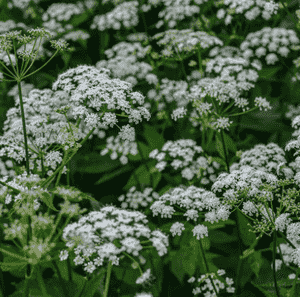
In addition to its evergreen foliage, Ground elder provides seasonal interest with its delicate white flowers that bloom in late spring to early summer. These blossoms add a charming detail to your garden, attracting pollinators such as bees and butterflies. This seasonal appeal further enriches the overall garden experience, making Ground elder a valuable addition to any garden plan.
How to Cultivate and Maintain Ground Elder?
Planting Guidelines
Planting Ground elder is straightforward and can be accomplished using seeds or root divisions. Select a shady or partially shaded location with well-draining soil. Prepare the soil by loosening it and enriching it with compost before planting. Ensure that young plants are spaced adequately to allow for future spread.
Maintenance Practices
Maintaining Ground elder requires minimal effort compared to more demanding plants. Water newly planted Ground elder regularly until established, after which it will require less frequent watering. Apply mulch around the base of the plants to retain moisture and suppress weeds. Prune back any excessively sprawling growth to maintain order and encourage a compact, bushy appearance.



