The California buckeye Plant Advantage: Maximizing Home and Office Appeal and Wellness
1
California buckeye offers essential nectar to indigenous pollinators such as bees and butterflies.
2
Its distinctive leaves and blossoms render it an appealing decorative element for gardens.
3
California buckeye proves advantageous in managing soil degradation in particular environments.
What Makes California buckeye Unique?
Drought Resistance
A key characteristic of California buckeye is its remarkable ability to withstand dry conditions. Originating from regions with arid summers, this plant has evolved to flourish with minimal water. This makes it an excellent option for water-efficient landscaping, reducing the need for frequent irrigation and aiding in water conservation.
Attractive Ornamental Features
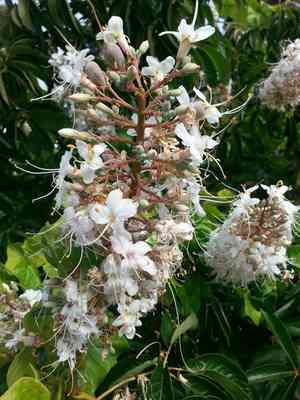
With its distinct, captivating foliage and lovely flower clusters, California buckeye stands out as an ornamental plant. Its blooms, ranging from white to pale pink, create a striking visual impact. The aesthetically pleasing leaves that turn golden in autumn add seasonal beauty to your garden, making California buckeye a superb choice for garden enthusiasts seeking to enhance their outdoor space.
How Does California buckeye Benefit Local Wildlife?
Nectar Source for Pollinators
The blossoms of California buckeye are rich in nectar, which draws in various pollinators, including bees and butterflies. These pollinators play a vital role in the health of local ecosystems, contributing to plant reproduction and the creation of fruits and seeds. By cultivating California buckeye, you support the sustenance and diversity of pollinator populations.
Habitat for Wildlife
Beyond providing nectar, California buckeye also offers shelter and protection for diverse wildlife species. Birds, insects, and small mammals frequently utilize the plant for nesting, foraging, and refuge. This habitat support helps maintain ecological balance and fosters a wide array of species within your garden.
Can California buckeye Improve Soil Health?
Erosion Control
A significant ecological advantage of California buckeye is its capacity to prevent soil erosion. Its root system stabilizes the earth, preventing it from being washed away during heavy rainfall. This makes it a beneficial plant for areas prone to erosion, such as slopes and hillsides.
Soil Enrichment
As California buckeye naturally sheds its leaves, it contributes to soil enrichment. The decaying leaves add organic matter to the soil, enhancing its texture and fertility. This natural process helps promote healthy soil, benefiting other plants in your garden.
Is California buckeye Easy to Grow and Maintain?
Low Maintenance Requirements
Once established, California buckeye demands very little upkeep. Its drought tolerance means it doesn't require frequent watering, and it generally thrives without the need for extensive soil amendments or fertilizers. This makes it an ideal plant for gardeners who prefer a low-effort landscape.
Pest and Disease Resistance
Another benefit of California buckeye is its resilience to common pests and diseases. This hardiness eliminates the need for chemical pesticides, making it an environmentally friendly option for gardeners aiming to maintain a natural and sustainable garden environment.
How Can You Incorporate California buckeye into Your Landscape Design?
Creating Focal Points
Due to its distinctive appearance, California buckeye can serve as a central feature in your garden. Plant it as a solitary specimen or in groupings to create visual interest. Its unique form and seasonal changes can help define different garden areas and add depth to your landscape design.
Complementing Other Plants
California buckeye can also be paired with other drought-tolerant and native plants to create a cohesive and sustainable garden. Consider combining it with plants that have complementary foliage or bloom times to ensure continuous interest throughout the year. This not only enhances the visual appeal of your garden but also promotes biodiversity.



