The Common corncockle Plant Advantage: Maximizing Home and Office Appeal and Wellness
1
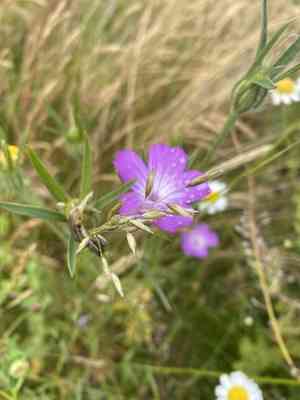
This botanical specimen is recognized for its impressive blossoms and attractive floral displays.
2
It provides environmental advantages, supplying shelter and sustenance for local fauna.
3
Cultivating this flora can enhance the quality of the earth.
Why Cultivate Common Corncockle in Your Garden?
Visual Appeal
Common corncockle is renowned for its attractive blossoms, which can introduce a splash of color to any garden. Its vivid pink or purple blooms with delicate petals make it a favorite among gardeners aiming to boost the beauty of their outdoor spaces.
Environmental Advantages
A key environmental benefit of Common corncockle is its capacity to support local wildlife. The flowers draw various species of bees, butterflies, and other pollinators. This can help enhance biodiversity in your garden and contribute to the overall health of the local ecosystem. The plant also offers shelter and sustenance for small insects and animals, transforming your garden into a miniature wildlife haven.
How Does Common Corncockle Enhance Soil Quality?
Soil Enrichment
Incorporating Common corncockle into your garden can significantly improve soil quality. The plant's deep root system aids in breaking up compacted soil, facilitating better aeration and water penetration. This can improve the overall soil structure, making it more fertile and suitable for other vegetation.
Nitrogen Fixation
While Common corncockle is not a nitrogen-fixing plant itself, it interacts favorably with other plants that are. By cultivating Common corncockle alongside legumes and other nitrogen-fixers, you can establish a balanced soil environment. This synergistic relationship can lead to healthier plants and more fertile soil.
Can Common Corncockle Be a Simple Addition to Your Garden?
Ease of Growth
Common corncockle is relatively simple to cultivate, requiring minimal upkeep. It thrives in well-drained soil and prefers sunny conditions but can endure partial shade. This makes it an excellent option for gardeners of all experience levels.
Pest and Disease Resistance
A notable characteristic of Common corncockle is its resilience to common garden pests and diseases. This hardiness means you can enjoy beautiful blooms without the burden of constant monitoring and treatment, making it a low-maintenance choice for busy gardeners.
What Are the Optimal Conditions for Growing Common Corncockle?
Soil and Light Needs
Common corncockle flourishes best in well-drained soil. It prefers sandy or loamy soil types but is quite adaptable to other conditions as long as drainage is good. For ideal growth and flowering, plant Common corncockle in an area that receives ample sunlightâapproximately 6 to 8 hours of direct sun daily.
Watering and Feeding
This plant is relatively drought-tolerant once established but performs best with consistent watering. Ensure the soil remains moist but not waterlogged. Regarding fertilization, Common corncockle does not require heavy feeding. A balanced, slow-release fertilizer applied during the growing season should be sufficient.



