The Big Bluestem Plant Advantage: Maximizing Home and Office Appeal and Wellness
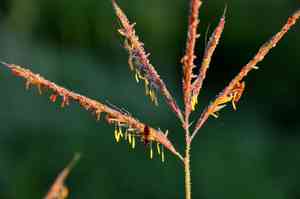
1
Big Bluestem plays a crucial role in prairie environments, fostering diverse life.
2
This species tolerates dry conditions exceptionally well, perfect for xeriscaping.
3
It enhances ground quality through erosion control and nutrient circulation.
How Does Big Bluestem Support Biodiversity?
A Keystone Species in Prairie Ecosystems
A primary advantage of Big Bluestem is its function as a foundational species within prairie environments. By offering shelter and sustenance for various insects, birds, and mammals, it sustains an intricate web of life. Its towering, dense growth provides excellent cover for wildlife, including ground-nesting birds and small mammals. The seeds are a vital food source for bird species during autumn and winter, while the foliage provides nourishment for grazing animals and insects.
Promotes Pollinator Health
Pollinators like bees and butterflies are drawn to the blooming stalks of Big Bluestem, aiding their survival and propagation. This plant's flowering period extends nectar availability, bridging gaps between other blooming species in native prairies and gardens. Consequently, the presence of Big Bluestem can strengthen local pollinator populations, which are crucial for the fertilization of numerous other plant species.
How Does Big Bluestem Improve Soil Health?
Prevents Soil Erosion
The deep and extensive root system of Big Bluestem plays a crucial role in preventing soil erosion. These roots can penetrate several feet into the ground, forming a stable, interconnected network that anchors soil in place. This characteristic is particularly beneficial in areas susceptible to erosion from wind or water runoff. By incorporating Big Bluestem into your landscape, you can significantly reduce the risk of soil degradation.
Enhances Nutrient Cycling
Another notable benefit of Big Bluestem is its contribution to nutrient cycling. The plant's roots and decaying organic matter return essential nutrients to the soil, fostering a healthy and sustainable ecosystem. This process not only boosts soil fertility but also supports the growth of other plants, making Big Bluestem an excellent companion plant in mixed-species landscapes.
Why Is Big Bluestem Ideal for Low-Water Landscaping?
Exceptional Drought Resistance
One of the prominent features of Big Bluestem is its drought tolerance. In an era where water conservation is increasingly vital, selecting plants that require minimal irrigation is essential. Big Bluestem has evolved to thrive in environments with limited water availability, making it a perfect choice for xeriscaping and other low-water landscaping practices. Its ability to survive and flourish with minimal water input can help reduce your garden's overall water consumption.
Low Maintenance Requirements
In addition to its minimal water needs, Big Bluestem is also remarkably low maintenance. Once established, this resilient plant requires little care, freeing up time and resources for other gardening tasks. It doesn't need frequent fertilization or pest control, further reducing the need for chemical inputs. This makes Big Bluestem a sustainable option for both novice and experienced gardeners seeking to create a robust landscape.
How Can Big Bluestem Enhance Landscaping Aesthetics?
Architectural Elegance
The visually striking appearance of Big Bluestem adds architectural grace to any landscape. Its tall blue-green stems and lush foliage create a dynamic and visually appealing backdrop or focal point in garden designs. As the seasons progress, the plant adopts different hues, transitioning from green to shades of bronze and purple, adding year-round interest and color to your landscape.
Wildlife-Friendly Gardens
Designing wildlife-friendly gardens is gaining popularity among gardening enthusiasts, and Big Bluestem can be a central element of such endeavors. By integrating Big Bluestem into your garden, you will not only enhance its aesthetic appeal but also support local fauna. Observing birds, insects, and other wildlife interact with this native plant can provide immense satisfaction and contribute to biodiversity conservation within urban and rural settings.
What Are the Practical Uses of Big Bluestem in Agriculture?
Forage for Livestock
Big Bluestem is widely recognized in agricultural circles for its use as forage for livestock. Its high nutritional content makes it a valuable feed option for grazing animals such as cattle and sheep. Farmers appreciate its hardiness and dependability, especially during dry conditions when other forage plants might fail. Incorporating Big Bluestem into a grazing system can lead to healthier livestock and more sustainable agricultural practices.
Biofuel Source
Recently, Big Bluestem has garnered attention as a potential source of biofuel. The plant's high biomass yield and rapid growth rate make it an appealing option for renewable energy production. Research is ongoing, but initial findings suggest that Big Bluestem could be cultivated on a large scale to produce sustainable bioenergy, contributing to efforts to lessen reliance on fossil fuels.



