The Sea thrift Plant Advantage: Maximizing Home and Office Appeal and Wellness
1
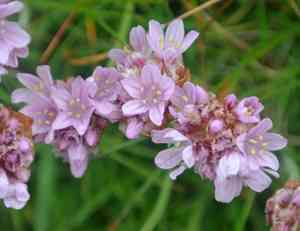
Armeria maritima is a robust perennial well-suited for coastal settings, perfect for seaside planting schemes.
2
This species produces vivid flower groupings that can elevate the visual charm of any outdoor space.
3
Armeria is easy to care for and withstands dry conditions, making it excellent for those seeking durable flora.
Optimal Conditions for Growing Sea Thrift
Preferred Soil and Sun Exposure
Sea thrift thrives in well-drained soil, flourishing in sandy or rocky substrates, making it ideal for coastal areas. It performs well in full sun to partial shade, offering versatility for various garden designs. Its adaptability to diverse soil types and light levels makes it a superb option for gardeners seeking a dependable, easy-care plant.
Climate Suitability and Hardiness Zones
This resilient perennial endures a range of weather, from salty sea air to strong winds. It's well-suited for USDA hardiness zones 4 to 8, tolerating both cold and some dry spells. This robustness makes it perfect for regions with unpredictable weather patterns.
Why Add Sea Thrift to Your Garden?
Visual Appeal
A key reason gardeners select Sea thrift is its striking appearance. The plant produces vibrant flower clusters, ranging from pink to white, adding a burst of color to any landscape. Blooms appear from late spring through summer, offering a prolonged display that enhances rock gardens, borders, and pathways.
Minimal Upkeep
Another significant advantage of Sea thrift is its low maintenance needs. Once established, it's largely self-sufficient, requiring little watering or fertilization. Its drought tolerance means less continuous care, making it an excellent choice for busy gardeners or those new to plant cultivation.
Sea Thrift's Role in Landscaping
Rock and Coastal Garden Use
Sea thrift is an excellent choice for rock and coastal gardens. Its ability to flourish in rocky, well-drained soil makes it perfect for these specific garden environments. In coastal areas, where other plants might struggle with salty air and poor soil, Sea thrift excels with its resilience and vigorous growth.
Ground Cover and Edging Plant
This adaptable plant also works effectively as ground cover or an edging plant. Its low-growing habit and dense foliage help suppress weeds and reduce soil erosion. When used as a border, Sea thrift creates a neat, attractive edge for garden beds and paths, adding both structure and utility to your landscape.
Ecological Advantages of Sea Thrift
Pollinator Attraction
One ecological benefit of including Sea thrift in your garden is its capacity to draw pollinators. Its vibrant flowers attract bees, butterflies, and other beneficial insects, contributing to your garden's overall ecosystem health. This supports local biodiversity and aids in the pollination of other plants.
Erosion Prevention
Due to its tough nature and dense growth, Sea thrift effectively controls soil erosion. This makes it an excellent option for areas with loose or sandy soil. By planting Sea thrift on slopes or erosion-prone spots, you can help stabilize the soil and prevent erosion-related issues, fostering a healthier, more stable landscape.
Propagating and Caring for Sea Thrift
Propagation Techniques
Sea thrift can be propagated via division or seed. Division is the simplest method, typically done in early spring or late summer. Just dig up the plant, separate the root ball into sections, and replant them. For seed propagation, sow seeds in well-draining soil and keep them moist until germination.
General Maintenance Advice
While Sea thrift is low-maintenance, a few care tips ensure optimal growth. Water moderately, allowing the soil to dry between waterings to prevent root rot. Prune spent flowers to encourage new blooms and remove dead or damaged foliage to maintain its appearance. A light layer of mulch can also help retain soil moisture and suppress weeds.



