The Ponytail palm Plant Advantage: Maximizing Home and Office Appeal and Wellness
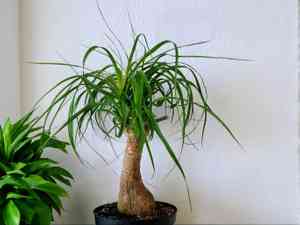
1
An easy-care plant, ideal for those with limited time.
2
Possesses strong air-cleansing properties, improving indoor atmosphere.
3
Visually appealing due to its unique 'ponytail' shape.
The Appeal of Ponytail Palms for Your Home
What are the Main Advantages of Having a Ponytail Palm?
Owning a Ponytail palm offers numerous advantages. It's known for thriving in diverse conditions with minimal upkeep. Perfect for busy individuals, this plant needs infrequent watering and can endure dry spells due to its thick, water-storing trunk. Moreover, its ability to purify indoor air by removing common toxins contributes to a healthier living space.
How Does a Ponytail Palm Enhance Air Quality?
Research indicates that indoor plants can reduce harmful pollutants like formaldehyde and benzene. The Ponytail palm excels in this, making it an ideal addition to any room where cleaner air is desired. By converting carbon dioxide to oxygen via photosynthesis and absorbing airborne toxins, it effectively improves indoor air quality, supporting better respiratory health.
What Makes the Ponytail Palm a Low-Maintenance Plant?
The Ponytail palm is celebrated for flourishing with minimal care. Its unique structure allows for efficient water storage, reducing the need for frequent watering. Additionally, it resists pests and diseases, making it an easy choice for both experienced and novice plant enthusiasts.
How Does a Ponytail Palm Improve Interior Aesthetics?
The distinctive look of the Ponytail palm creates a natural focal point in any room. Its slender stem and flowing, ribbon-like foliage add a touch of sophistication to your home decor. Whether in a modern apartment or a classic home, the plant effortlessly complements and elevates the visual appeal of any area.
Nurturing Your Ponytail Palm
What are the Optimal Growing Conditions?
To ensure your Ponytail palm flourishes, providing suitable growing conditions is crucial. The plant prefers bright, indirect light but can also tolerate lower light levels. Ensure the soil drains well to prevent waterlogging, which can harm its roots. A cactus or succulent potting mix is ideal.
How Often Should You Water Your Ponytail Palm?
Watering needs for the Ponytail palm are minimal. During warmer months, you can water every two weeks. In cooler months, reduce watering to once a month. It's vital to let the soil completely dry out between waterings to prevent root rot.
When is the Best Time to Repot Your Ponytail Palm?
Repotting should occur every two to three years or when roots outgrow the current container. Choose a pot only one size larger to avoid excessive soil, which can retain too much moisture. Spring or early summer is the best time to repot, as this is the plant's active growth period.
How Can You Propagate Your Ponytail Palm?
Propagating the Ponytail palm is quite simple. The most common method involves offsets or 'pups' that grow at the base of the parent plant. Gently remove these offsets, ensuring they have some root structure, and plant them in a well-draining potting mix. Keep the soil slightly moist until new roots establish.
Common Problems and Solutions
What Pests Typically Affect Ponytail Palms?
While Ponytail palms are generally pest-resistant, they can occasionally attract spider mites and mealybugs. Regularly check your plant for signs of these pests, such as webbing or white, cotton-like clusters. Treat infestations with insecticidal soap or neem oil to maintain your plant's health.
How Do You Identify and Treat Root Rot?
Root rot is a frequent issue caused by overwatering. Symptoms include yellowing leaves and a soft base. If you notice these signs, remove the affected root parts and repot your plant in fresh, well-draining soil. Adjust your watering schedule to prevent recurrence.
Why Are the Leaves Turning Brown?
Brown leaf tips often indicate underwatering or low humidity. Ensure your Ponytail palm receives sufficient water, especially during dry periods. Additionally, occasional misting can help maintain humidity levels. Trim any brown tips with clean scissors to preserve the plant's appearance.



