The River birch Plant Advantage: Maximizing Home and Office Appeal and Wellness
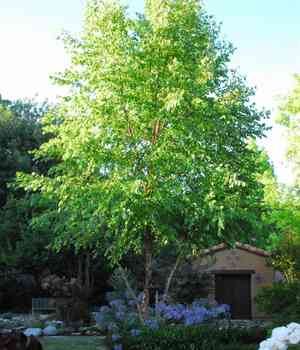
1
River birch flourishes in damp ground, ideal for waterside locations.
2
Its peeling bark offers continuous aesthetic appeal to outdoor spaces.
3
River birch offers crucial living space for various animal types.
Why Select River Birch for Your Landscape?
Versatility and Resilience
River birch is renowned for its capacity to flourish in diverse soil types, though it favors damp, well-drained earth. Its hardiness zones span from 4 to 9, making it a flexible option for various climates. Due to its robust nature, River birch can endure temporary inundation, making it perfect for planting in areas prone to flooding.
Visual Appeal
A prominent characteristic of River birch is its striking bark, which peels away to reveal various hues of cream, tan, and cinnamon. This distinctive exfoliating bark offers year-round interest, especially in winter when garden aesthetics are typically scarce. The tree's graceful, arching branches and delicate leaves further enhance its decorative value.
How Does River Birch Benefit Local Wildlife?
Habitat Provision
River birch plays a vital role in supporting local wildlife. It provides essential dwelling for various bird species, insects, and mammals. The tree's dense foliage offers shelter and nesting locations, while its seeds serve as a food source for numerous avian species.
Pollinator Support
River birch produces catkins that attract pollinators such as bees and butterflies. This aspect is particularly important in sustaining local biodiversity and ensuring the health of surrounding ecosystems. By fostering a habitat for pollinators, River birch assists in the reproduction of other nearby plants.
What Environmental Advantages Does River Birch Offer?
Soil Erosion Control
Planting River birch along waterways and slopes can significantly reduce soil erosion. Its extensive root system stabilizes the soil, preventing the washing away of banks and slopes during heavy rains. This stabilization improves water quality in nearby streams and rivers by reducing sedimentation.
Carbon Sequestration
River birch, like many other trees, absorbs carbon dioxide from the atmosphere, a critical factor in mitigating climate change. By incorporating River birch into your landscape, you contribute to carbon sequestration, helping to offset your carbon footprint and reduce greenhouse gases.
How to Care for River Birch in Your Garden?
Planting Guidelines
To ensure optimal growth for River birch, plant it during the cooler months of spring or fall. Choose a location with full sun to partial shade and ensure the soil is well-drained but moist. River birch thrives in slightly acidic to neutral soil pH.
Ongoing Maintenance
Once established, River birch requires minimal upkeep. Regular watering is crucial during the initial few years, especially during dry periods. Pruning should be performed in late winter or early spring to remove any dead or damaged branches and encourage healthy growth. Mulching around the base can help retain soil moisture and reduce weeds.



