The Big quaking grass Plant Advantage: Maximizing Home and Office Appeal and Wellness
1
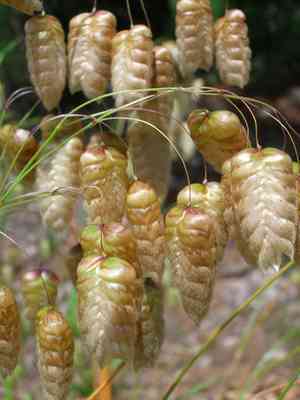
Large quaking grass offers distinct visual appeal, making it a superb option for landscape planning.
2
This botanical variety demands very little upkeep, needing minimal hydration and attention.
3
Big quaking grass is recognized for drawing in helpful insects like bees and butterflies.
Why Select Big quaking grass for Your Garden?
Distinctive Visual Charm
Big quaking grass possesses a unique aesthetic appeal that can enhance the beauty of any garden. Its delicate, swaying seed heads create a captivating effect, especially when moving gently in the breeze. This dynamic movement adds a touch of elegance to garden landscapes, making Big quaking grass a striking addition that stands out among other plants.
Minimal Upkeep Requirements
Big quaking grass is an excellent plant for gardeners seeking easy-care options. Once established, it flourishes with minimal irrigation and demands very little attention. This drought-tolerant characteristic is particularly advantageous in regions with water scarcity, offering a sustainable landscaping solution that aids in resource preservation.
Ecological Advantages of Big quaking grass
Supports Pollinating Insects
Big quaking grass plays a vital role in supporting local ecosystems by attracting beneficial insects such as bees and butterflies. These pollinators are crucial for the health and reproduction of many plant species, and having Big quaking grass in your garden can help sustain their populations. By providing a habitat for these insects, Big quaking grass contributes to biodiversity and the well-being of the environment.
Erosion Prevention
The robust root system of Big quaking grass makes it an excellent plant for preventing soil erosion. Its roots help to stabilize the soil, preventing degradation and promoting soil health. This feature is especially useful in areas prone to soil loss, such as slopes or riverbanks, where Big quaking grass can be planted to maintain soil structure and prevent depletion.
Practical Applications of Big quaking grass in Landscape Design
Decorative Grass
As an ornamental grass, Big quaking grass offers versatility in landscape design. Its airy, flowing seed heads bring texture and motion to garden compositions, complementing a variety of other plants. Whether used as a focal point in garden beds, borders, or container plantings, Big quaking grass enhances visual interest and adds a dynamic element to the overall design.
Naturalistic Garden Settings
Big quaking grass is a perfect fit for naturalistic or wildflower gardens. Its organic form and adaptability make it suitable for replicating natural ecosystems. When combined with other native grasses and wildflowers, Big quaking grass helps create a balanced, sustainable environment that supports local wildlife and promotes ecological harmony.
How to Grow Big quaking grass Successfully
Optimal Growing Conditions
To ensure the successful cultivation of Big quaking grass, it's important to understand its preferred growing conditions. Big quaking grass thrives in well-drained soils and full sunlight but can also tolerate partial shade. It adapts well to a range of soil types, from sandy to loamy, making it a versatile choice for various gardening situations.
Planting Recommendations
When planting Big quaking grass, space the seeds or seedlings approximately 6-12 inches apart to allow for adequate growth. Given its low water requirements, it's advisable to water sparingly once established. Mulching around the plants can help retain moisture and suppress weed growth, contributing to a healthier plant environment.
Potential Issues and Solutions
Pests and Diseases
Big quaking grass is generally resistant to pests and diseases, though it can occasionally be affected by rust or mildew under certain conditions. To mitigate these issues, ensure proper air circulation around the plants and avoid overwatering. If necessary, apply organic fungicides to manage any potential outbreaks effectively.
Propagation Methods
Another potential challenge is propagation; however, Big quaking grass can be easily propagated by seed or division. For seed propagation, collect seeds from mature plants in late summer or early autumn and sow them directly into prepared soil beds. For division, carefully separate clumps of mature plants in early spring and replant them in desired locations to expand your garden's Big quaking grass population.



