The Common boxwood Plant Advantage: Maximizing Home and Office Appeal and Wellness
1
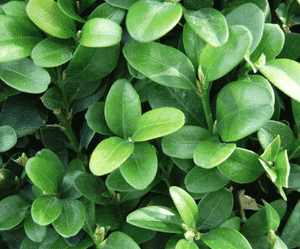
Perfect for creating hedges because of its thick leaves and gradual development.
2
Acts as a natural deterrent to pests, making it a beneficial garden addition.
3
Offers perpetual green coverage, improving the visual charm.
Why Select Common Boxwood for Your Garden?
Visual Appeal
A primary draw for gardeners to Common boxwood is its beautiful, luxuriant greenery. The plant's thick leaves form a rich, verdant texture that maintains its vibrancy year-round, offering consistent aesthetic value. This makes it an ideal choice for hedges, topiary forms, and singular decorative plantings.
Adaptability in Landscaping
Due to its pliable yet robust character, Common boxwood can be shaped and trimmed to suit diverse designs. Whether you require a tall privacy screen, a low border shrub, or an intricate topiary, this plant can be trained to meet your specific landscape needs. Its slow growth also implies less frequent trimming, making it a low-upkeep option.
What Are the Practical Advantages of Common Boxwood?
Natural Pest Deterrent
A lesser-known advantage of Common boxwood is its inherent capability to ward off pests. The plant's dense structure can establish a barrier that discourages small animals and insects, safeguarding more delicate garden plants. This not only aids in preserving garden health but also minimizes the necessity for chemical pest control methods.
Soil Erosion Prevention
The extensive root system of Common boxwood makes it an excellent choice for stabilizing soil. When planted on inclines or loose ground, it helps bind the earth together and prevent erosion. This characteristic is particularly beneficial in regions prone to heavy rainfall or where soil integrity is a concern.
How Does Common Boxwood Contribute to Environmental Sustainability?
Carbon Absorption
Like many other evergreen plants, Common boxwood plays a part in carbon sequestration by taking in carbon dioxide from the atmosphere. This renders it a valuable addition to any garden aiming for environmental friendliness. By integrating Common boxwood into your landscape, you contribute to a reduction in greenhouse gases and foster a healthier environment.
Wildlife Sanctuary
The dense foliage of Common boxwood offers a secure refuge for various bird species, insects, and small creatures. By introducing this plant into your garden, you help forge a mini-ecosystem that supports biodiversity. This can result in a more lively and balanced garden environment.
Can Common Boxwood Be Cultivated Indoors?
Indoor Aesthetics
While Common boxwood is frequently linked with outdoor landscaping, it can also be cultivated indoors under appropriate conditions. Potted Common boxwood plants can impart a touch of greenery to your home decor, creating a refreshing and tranquil atmosphere. Just ensure they are placed in an area with ample sunlight and sufficient air circulation.
Air Purification
Indoor plants, including Common boxwood, can enhance the quality of air in your home by filtering out pollutants and releasing oxygen. This can lead to a healthier indoor environment, diminishing levels of indoor air pollution and making your living space more pleasant.
What Are the Optimal Practices for Cultivating Common Boxwood?
Ideal Growth Conditions
Common boxwood flourishes in well-drained soil and can withstand a range of light conditions, from full sun to partial shade. While the plant exhibits relative drought resistance, consistent watering will encourage optimal development. Applying mulch around the base can help maintain soil moisture and regulate temperature.
Trimming and Care
Regular trimming is crucial for maintaining the form and dimensions of Common boxwood. The most suitable time for pruning is in late spring or early summer, once new growth has emerged. Ensure you use clean, sharp tools for precise cuts. Removing dead or diseased branches will also encourage healthier development.



