The Pot marigold Plant Advantage: Maximizing Home and Office Appeal and Wellness
1
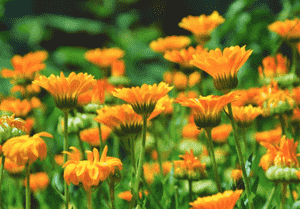
Calendula officinalis is celebrated for its bright orange flowers and aesthetic appeal.
2
This plant possesses a long history of application in dermatological products because of its calming effects.
3
Calendula is frequently incorporated into food preparations for its unique taste and hue.
Why is Calendula Popular in Gardens?
Visual Appeal
Calendula showcases vivid, enduring blooms, making it a favorite among gardeners. Its bright orange and yellow petals can introduce a burst of color to any garden setting. Furthermore, it draws beneficial insects, such as bees and butterflies, which can boost your garden's overall health and output.
Simple to Cultivate
Calendula is remarkably straightforward to grow, requiring minimal upkeep. It thrives in well-drained soil and can adapt to diverse climate conditions. Whether you're a novice gardener or an experienced horticulturist, cultivating this plant can be a rewarding experience due to its robust nature and resistance to common garden pests.
How Can Calendula Enhance Your Skincare Routine?
Natural Calming Agent
One of the most celebrated applications of Calendula is in skincare. The plant is recognized for its soothing qualities, making it an excellent component for treating minor skin irritations and inflammation. It is frequently found in creams, lotions, and balms formulated to calm sensitive skin.
Anti-Aging Advantages
Calendula is rich in antioxidants, which help counteract the effects of free radicals that contribute to premature aging. Products containing this plant can assist in maintaining youthful and healthy-looking skin by diminishing the appearance of fine lines and wrinkles. Incorporating Calendula into your skincare regimen can leave your skin feeling nourished and revitalized.
What are the Culinary Applications of Calendula?
Flavor Enhancer
Calendula imparts a distinctive flavor to culinary dishes, offering a subtle bitterness that can complement various recipes. The petals can be used fresh or dried in salads, soups, stews, and teas. The inclusion of this plant not only improves the taste but also adds visual appeal to your meals.
Natural Food Coloring
The deep orange and yellow petals of Calendula serve as a natural food coloring, providing an alternative to artificial dyes. Using the plant in your cooking can result in beautifully colored dishes without the need for chemical additives. This makes it a popular choice among those seeking natural and healthy food preparation methods.
Are There Any Environmental Contributions?
Soil Enhancement
Calendula can contribute positively to soil well-being. It is known for its capacity to improve soil structure and fertility. The plant's roots can help break up compacted soil, boosting aeration and water infiltration, which are crucial for healthy plant growth.
Pest Deterrence
Calendula can act as a natural pest deterrent in gardens. The plant produces compounds that repel certain harmful insects, reducing the need for synthetic pesticides. This ecological benefit supports sustainable gardening practices and promotes a healthier environment.
How to Use Calendula in Everyday Life?
Home Decoration
Beyond its garden charm, Calendula can be utilized in home decor. Fresh or dried flowers create beautiful arrangements that can brighten any interior space. Their vibrant colors and pleasant aroma can enhance your home's aesthetics.
DIY Crafts and Projects
Calendula is also popular in various DIY crafts and projects, such as making herbal sachets, candles, and potpourris. The plant's versatility allows for creative uses that can personalize your living space with natural elements.



