The American beautyberry Plant Advantage: Maximizing Home and Office Appeal and Wellness
1
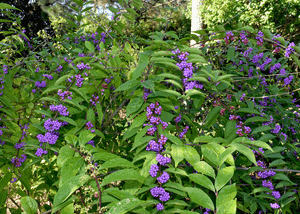
The American beautyberry is celebrated for its striking purple fruit and abundant leaves.
2
This shrub possesses properties that can deter mosquitoes naturally.
3
The fruit of the American beautyberry provides sustenance for diverse animal life.
What Makes American beautyberry Unique?
Remarkable Visual Charm
American beautyberry is renowned for its eye-catching purple fruits that cluster on its branches, creating a stunning contrast with its green leaves. This vivid coloring makes it a popular choice for decorative gardening. Furthermore, the plant's attractive, bushy form can provide an appealing landscape feature for homeowners and gardeners alike.
Versatility and Vigor
American beautyberry adapts well to various soil types and climate conditions. This hardiness makes it an excellent option for both novice and experienced gardeners. Due to its adaptability, American beautyberry can thrive in diverse settings, from shaded woodlands to sunny open areas, offering flexibility in garden design and landscaping.
Ecological Advantages of American beautyberry
Supporting Local Wildlife
The berries of American beautyberry serve as a crucial food source for numerous bird species, including mockingbirds, robins, and finches. Additionally, mammals like deer and raccoons are drawn to its fruit. By planting American beautyberry, you can provide essential nourishment to local wildlife, fostering biodiversity and a healthy ecosystem within your garden or property.
Soil Stabilization
American beautyberry's extensive root system aids in stabilizing soil, preventing erosion on slopes and along stream banks. This makes it an excellent choice for areas prone to soil instability or washout. By planting American beautyberry, you can contribute to soil health and reduce the risk of erosion in vulnerable areas.
Practical Applications of American beautyberry
Natural Mosquito Repellent
One of the most intriguing benefits of American beautyberry is its inherent mosquito-repellent qualities. Research indicates that the leaves of American beautyberry contain compounds that can effectively deter mosquitoes. Crushing the leaves and rubbing them on the skin can offer a natural alternative to chemical repellents, making outdoor activities more pleasant without the annoyance of biting insects.
Ornamental and Landscaping Uses
American beautyberry is not only functional but also enhances the aesthetic appeal of gardens and landscapes. Its seasonal berries and lush foliage can improve the visual charm of any outdoor space. Landscapers often utilize American beautyberry to create decorative borders, hedges, and wildlife gardens, leveraging its beauty and resilience.
Cultivating American beautyberry in Your Garden
Planting and Care Guidelines
Planting American beautyberry is a simple process. This plant prefers well-drained soil and can tolerate both sun and partial shade. Consistent watering, especially during the initial establishment period, ensures robust growth. Pruning should be done in late winter to encourage new growth and maintain the desired shape.
Common Pests and Diseases
American beautyberry is relatively pest-resistant; however, occasional issues with fungal diseases or insect pests may arise. Keeping the plant healthy through proper watering, spacing, and pruning can mitigate these risks. In cases of pest infestation, organic treatments and removal of affected parts can effectively manage the problem without harming the plant.
How to Propagate American beautyberry
Seed Propagation
Propagating American beautyberry through seeds is a rewarding endeavor. Collect seeds from ripe berries and plant them in well-drained soil. Germination can take several weeks, so patience is necessary. Itâs beneficial to start the seeds indoors or in a controlled environment to provide optimal conditions for growth.
Cutting and Transplanting
Another effective method for propagating American beautyberry is through cuttings. Select healthy, semi-hardwood cuttings and plant them in a rooting medium. Keep the cuttings moist and in a warm environment until roots develop. Once established, they can be transplanted into the garden where they will continue to grow and thrive.



