The Tussock bellflower Plant Advantage: Maximizing Home and Office Appeal and Wellness
1
Tussock bellflower flourishes across diverse soil compositions and weather patterns.
2
This flora draws in helpful insects, fostering a robust garden ecosystem.
3
Incorporating Tussock bellflower into garden design enhances visual charm and environmental benefit.
How Tussock Bellflower Adapts to Diverse Climates
Climate Resilience
Tussock bellflower is well-known for its capacity to flourish across various climates, from mild to somewhat colder zones. This adaptability means gardeners can appreciate its beauty and advantages irrespective of their geographic location. The plant's sturdy nature makes it a superb option for those aiming to cultivate a robust garden that can endure fluctuating weather conditions.
Soil Versatility
Tussock bellflower isn't particular about soil types, making it a flexible addition to diverse garden settings. Whether your soil is sandy, loamy, or clay, this plant can adjust and thrive. This adaptability lessens the need for soil amendments and special treatments, simplifying garden upkeep and reducing labor.
How Tussock Bellflower Enhances Garden Well-being
Attracting Beneficial Insects
A significant ecological advantage of Tussock bellflower is its ability to draw in helpful insects such as bees and butterflies. These pollinators are vital for the reproductive processes of many plants and the overall health of your garden ecosystem. By including Tussock bellflower, you contribute to your garden's biodiversity and vitality.
Low Maintenance Plant
Tussock bellflower requires minimal care once established, making it an excellent choice for both new and experienced gardeners. Its low maintenance needs include less frequent watering, limited pruning, and strong resistance to common pests and diseases. This allows you to enjoy a lush garden with less effort and time commitment.
What Are the Landscaping Advantages of Tussock Bellflower?
Aesthetic Appeal
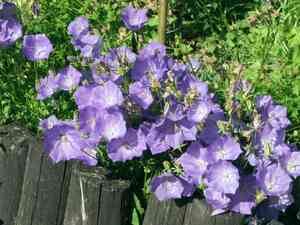
Tussock bellflower offers striking visual appeal with its delicate and abundant blooms. The plant's flowers come in various colors, providing a beautiful splash of hue that can enhance any garden design. Its compact size and pleasing form make it ideal for borders, rock gardens, and as ground cover, adding structure and beauty to your landscape.
Ecological Impact
Incorporating Tussock bellflower into your landscaping efforts can positively affect the local ecology. The plant helps prevent soil erosion with its root system, maintains soil health through its organic matter contribution, and offers habitat and food for local wildlife. By selecting Tussock bellflower, you also support environmental sustainability and biodiversity.
What Are the Cultivation and Propagation Tips for Tussock Bellflower?
Planting Guidelines
To maximize Tussock bellflower's growth, select a spot that receives partial to full sunlight, ensuring the plant gets sufficient light for optimal development. The ideal time to plant it is during spring or early autumn when weather conditions are mild. Space the plants appropriately to allow for air circulation and growth.
Propagation Methods
Tussock bellflower can be propagated via seeds or division. Seed propagation involves sowing seeds indoors before the last frost or directly in the garden after the frost. For division, carefully split the plant during the growing season, ensuring each section has adequate roots. This method yields quick results and preserves the plant's genetic consistency.



