The Clustered bellflower Plant Advantage: Maximizing Home and Office Appeal and Wellness
1
The clustered bellflower draws in beneficial insects such as bees and butterflies, enriching your garden's biodiversity.
2
Growing and caring for clustered bellflower is straightforward, making it perfect for gardeners of all skill levels.
3
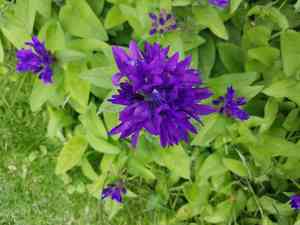
With its thick groupings of bell-shaped blooms, the clustered bellflower brings vivid hues and abundant texture to any garden space.
Benefits of Cultivating Clustered Bellflower
Attracts Pollinators
A key advantage of cultivating Clustered bellflower is its capacity to draw in pollinators. Bees, butterflies, and other helpful insects are naturally drawn to its abundant and colorful blossoms. This aids in pollination and bolsters the local ecosystem, keeping your garden lively and thriving.
Low Maintenance
Clustered bellflower is recognized for its minimal care requirements. It flourishes in various soil types and needs little irrigation once established. Its hardiness makes it an ideal selection for both experienced gardeners and novices seeking to add vibrant color to their landscapes.
Adaptable Landscaping Options
Clustered bellflower is remarkably versatile, integrating well into diverse landscaping designs. Whether utilized as a border plant, ground cover, or a focal point in a flower bed, it will undoubtedly enhance your garden's overall appeal. Its height and dense flower clusters can also contribute texture and depth to your outdoor area.
Ecological Advantages of Clustered Bellflower
Enhances Soil Quality
Clustered bellflower contributes to soil health in multiple ways. Its root system helps aerate the soil, improving its structure and fertility. This facilitates the growth of other plants and boosts the overall vitality of your garden.
Supports Biodiversity
By attracting various pollinators and beneficial insects, Clustered bellflower plays a crucial role in sustaining local biodiversity. A diverse garden ecosystem promotes more robust plant health and fosters a more resilient environment against pests and diseases.
Erosion Prevention
The strong root system of Clustered bellflower can also aid in preventing soil erosion. When planted on slopes or areas prone to soil displacement, it effectively stabilizes the ground, significantly reducing erosion risks.
Cultivating Clustered Bellflower
Ideal Growing Conditions
Clustered bellflower thrives in full sun to partial shade and prefers well-drained soil. While quite adaptable to different soil conditions, ensuring proper drainage will encourage healthier and more abundant flowering.
Watering and Fertilizing
Once established, Clustered bellflower requires minimal watering. However, during its initial stages, consistent watering is vital for establishment. Fertilizing in early spring with a balanced, all-purpose fertilizer can promote growth and blooming.
Pruning and Deadheading
Pruning is an essential aspect of caring for Clustered bellflower. By regularly removing spent flowers, you can encourage continuous blooms throughout the growing season. At the season's end, cutting back the stems can prepare the plant for the next growth cycle.
Common Issues and Solutions
Pest Management
Clustered bellflower is relatively pest-resistant but may occasionally be affected by aphids or snails. A natural approach to pest control, such as introducing beneficial insects or using organic sprays, is often effective.
Disease Control
While Clustered bellflower is generally hardy, it can sometimes be impacted by powdery mildew or root rot if overwatered. Ensuring adequate spacing for air circulation and avoiding waterlogging are critical steps to prevent these diseases. If affected, fungicidal treatments may be necessary.



