The Peach-leaved bellflower Plant Advantage: Maximizing Home and Office Appeal and Wellness
1
The peach-leaved bellflower is an attractive, resilient perennial that flourishes in diverse soil conditions.
2
Its flowers draw in numerous pollinators, improving your garden's biodiversity.
3
This plant demands little upkeep, making it perfect for gardeners of any skill level.
Why Opt for Peach-leaved Bellflower in Your Garden?
Visual Charm
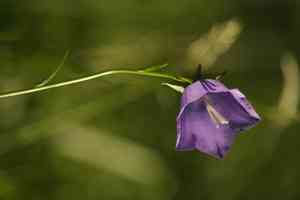
Peach-leaved bellflower showcases striking blue to violet bell-shaped blossoms that can introduce a burst of color to any garden. Its tall, slender stems elevate the flowers, producing an elegant, flowing effect. Whether placed in borders, rock gardens, or as a focal point, Peach-leaved bellflower boosts your outdoor area's aesthetic appeal.
Attracting Pollinators
A key benefit of Peach-leaved bellflower is its capacity to draw in pollinators. Bees and butterflies are especially drawn to its vibrant blooms, thereby aiding pollination and contributing to a thriving garden ecosystem. By cultivating Peach-leaved bellflower, you not only beautify your garden but also support the growth of other plants through natural pollination.
Cultivating and Caring for Peach-leaved Bellflower
Growing Conditions
Peach-leaved bellflower flourishes in well-drained soil and can endure various soil types, from loamy to sandy. It prefers full sun to partial shade, making it adaptable to diverse garden environments. The plant is resilient in USDA zones 3-8, and its robust nature enables it to withstand winter cold and summer heat.
Watering and Fertilizing
While Peach-leaved bellflower is fairly low maintenance, it does require consistent watering, especially during dry periods. However, be careful not to overwater, as this can lead to root rot. A balanced fertilizer applied in the spring can also help encourage healthier blooms and foliage.
Ecological Advantages of Peach-leaved Bellflower
Soil Health
Peach-leaved bellflower positively impacts soil health by helping to prevent erosion through its extensive root system. This root network stabilizes the soil, reducing runoff and preserving nutrient levels. Furthermore, the plant's organic matter enriches the soil as it breaks down, enhancing soil structure and fertility over time.
Wildlife Habitat
Beyond pollinators, Peach-leaved bellflower offers refuge for various garden insects and small creatures. Its foliage can serve as a habitat for beneficial insects like ladybugs and lacewings, which aid in controlling pest populations. By fostering a mini-ecosystem, Peach-leaved bellflower increases biodiversity in your garden.
Innovative Uses of Peach-leaved Bellflower in Landscaping
Companion Planting
Peach-leaved bellflower integrates well into companion planting schemes. Its height and attractive flowers make it ideal for planting alongside shorter, ground-covering plants. It pairs beautifully with species like lavender, daisies, and other perennials, creating a layered and dynamic garden appearance.
Cut Flowers
Given its long stems and lovely blooms, Peach-leaved bellflower is an excellent choice for cut flowers. You can craft stunning floral arrangements for your home, bringing a touch of the garden indoors. These flowers have a decent vase life, allowing you to enjoy their beauty for extended periods.
Challenges and Solutions for Growing Peach-leaved Bellflower
Common Pests
Peach-leaved bellflower is relatively pest-resistant but can occasionally suffer from aphids and slugs. Aphids can be managed by introducing natural predators like ladybugs or by spraying with insecticidal soap. Slug traps or barriers can help protect the plant's foliage from these garden pests.
Disease Management
Although generally robust, Peach-leaved bellflower can be susceptible to fungal diseases like powdery mildew and root rot, particularly in overly moist conditions. Ensure good air circulation around the plant and avoid overcrowding to reduce humidity levels. Proper drainage is crucial to prevent root-related issues.



