The Indian shot Plant Advantage: Maximizing Home and Office Appeal and Wellness
1
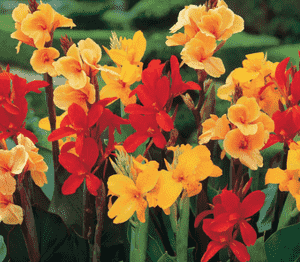
Canna lily is recognized for its vivid blooms that can beautify any landscape.
2
This plant is simple to cultivate and care for, making it perfect for beginner gardeners.
3
Components of canna lily are utilized in traditional customs to promote general health.
How Does Indian shot Enhance Your Garden?
Aesthetic Appeal
A prominent characteristic of Indian shot is its vivid blossoms, which appear in a spectrum of hues from crimson to golden. These flowers are not only stunning but also sizable and exotic in appearance, making them ideal for imparting a tropical ambiance to any garden. The intense colors and distinctive flower forms can draw various pollinators like bees and butterflies, further enriching your garden's ecosystem.
Easy Maintenance
For many gardeners, the simplicity of plant upkeep is a critical factor. Indian shot is a resilient and low-maintenance plant capable of flourishing in diverse soil types and climates. It demands minimal care beyond consistent watering and occasional fertilization, making it an excellent option for both novice and seasoned gardeners. Furthermore, it exhibits relative resistance to pests and diseases, reducing the necessity for chemical interventions.
Versatility in Garden Design
The adaptability of Indian shot allows its use in various garden settings. Whether you intend to feature it as a solitary specimen or integrate it into a mixed border, it can readily conform to different landscaping requirements. Additionally, this plant can also thrive in pots, rendering it suitable for compact areas such as patios or balconies.
What Are the Wellness Benefits of Indian shot?
Traditional Uses
Parts of Indian shot have been utilized in traditional practices for centuries. While we cannot discuss medical or pharmaceutical advantages, it is important to highlight its application in various traditional contexts. The plant's roots, leaves, and flowers are frequently employed in practices aimed at fostering overall well-being. For instance, these components may be used in infusions, poultices, or even as ornamental elements in wellness rituals.
Edible Parts
Certain components of Indian shot are edible and have been incorporated into various culinary traditions. The plant's seeds, in particular, are often used in creative cooking. They can be roasted or ground into flour and utilized in numerous dishes. Including Indian shot in your recipes can introduce a unique flavor and potentially boost the nutritional content of your meals.
Environmental Impact
Beyond its traditional and culinary applications, Indian shot plays a significant role in improving environmental health. The plant is recognized for its capacity to absorb pollutants and enhance soil quality, making it a valuable addition to eco-friendly gardening initiatives. Its robust root system can help prevent soil erosion, contributing to the long-term vitality of your garden.
How to Cultivate Indian shot in Your Garden?
Ideal Growing Conditions
Indian shot thrives best in well-drained soil and requires a sunny or partially shaded location. It is adaptable to different soil types but prefers a medium that retains moisture without becoming waterlogged. Understanding these conditions will help you cultivate a healthy and vibrant plant.
Planting and Care Tips
Begin by planting the rhizomes of Indian shot in the spring, after the last frost. Maintain a spacing of about 18 inches between plants to allow for growth and air circulation. Regular watering is essential, especially during dry spells, but avoid overwatering to prevent root rot. Mulching can help retain soil moisture and control weeds around the plant.
Are There Any Challenges in Growing Indian shot?
Pests and Diseases
While Indian shot is generally resistant to many pests and diseases, you may encounter some common garden issues like aphids or fungal infections. Regular inspection and proper garden hygiene can help mitigate these problems. If necessary, organic pest control methods can be employed to protect your plants without harming the environment.
Climate Considerations
Although Indian shot is a hardy plant, extreme weather conditions can affect its growth. In regions with harsh winters, consider planting Indian shot in containers that can be moved indoors during cold months. Conversely, in extremely hot climates, ensure adequate watering and provide some shade during the hottest part of the day.



