The Seersucker sedge Plant Advantage: Maximizing Home and Office Appeal and Wellness
1
This plant flourishes in low-light environments, ideal for placement beneath trees.
2
Its distinctive leaves add aesthetic appeal and tactile quality to landscape plans.
3
It minimizes topsoil loss because of its strong root network.
What Makes Seersucker sedge Unique?
Distinctive Foliage
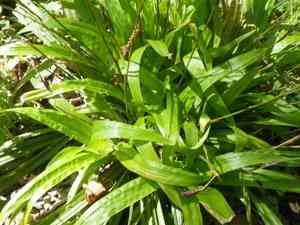
A key characteristic of Seersucker sedge is its unique leaves. The foliage has a crinkled texture, similar to seersucker fabric, which gives the plant its common name. This unusual texture adds visual appeal and offers a tactile experience in your garden, helping it stand out from common plant varieties.
Adaptability to Shade
Unlike many plants that struggle in low-light conditions, Seersucker sedge flourishes in shaded areas, making it an excellent option for planting beneath trees or in spots with limited sun exposure. Its capacity to grow in shade helps establish lush, green spaces in garden areas that might otherwise remain bare.
Environmental Benefits of Seersucker sedge
Soil Erosion Control
The robust root system of Seersucker sedge significantly aids in stabilizing soil. By binding the soil together, it prevents erosion, particularly on inclines or in areas prone to water runoff. This makes Seersucker sedge a practical choice for gardeners aiming to preserve soil integrity and vitality.
Support for Local Wildlife
Seersucker sedge offers vital habitat and food sources for various native wildlife. Its leaves provide shelter, and its presence in the garden can attract beneficial insects, birds, and small mammals. By incorporating Seersucker sedge into your garden, you help foster biodiversity and create a healthier, more vibrant ecosystem.
How to Care for Seersucker sedge in Your Garden
Soil and Water Requirements
Seersucker sedge prefers moist, well-drained soil and thrives in conditions that mimic its natural environment. While it can endure dry spells once established, consistent watering will maintain its lushness and health. Mulching can help retain soil moisture and provide additional nutrients as it breaks down.
Pruning and Maintenance
Trimming Seersucker sedge is quite simple. Remove any dead or damaged leaves to keep the plant looking neat. In early spring, cutting back the foliage can encourage fresh, robust growth. This low-maintenance plant requires minimal intervention, making it suitable for gardeners of all skill levels.
Incorporating Seersucker sedge into Your Landscape Design
Creating Visual Interest
Due to its unique foliage, Seersucker sedge can serve as an eye-catching focal point or a complementary background plant. Combine it with plants that have contrasting textures or colors to create striking garden arrangements. Its subtle, elegant appearance can enhance various garden styles, from modern to traditional.
Combining with Other Shade-Loving Plants
Seersucker sedge pairs well with other shade-tolerant plants such as ferns, hostas, and perennials that thrive in low light. By combining these plants, you can create a diverse and layered garden bed that flourishes in dim conditions. This approach not only enhances your garden's visual appeal but also promotes a healthy, varied plant community.
Why Choose Seersucker sedge for Your Garden?
Sustainability and Low Maintenance
A primary reason to select Seersucker sedge is its sustainability and minimal care requirements. This resilient plant can adapt to various soil types and light conditions, reducing the need for intensive upkeep. Its ability to minimize erosion and support local wildlife further highlights its ecological advantages.
Aesthetic Appeal
Beyond its practical benefits, Seersucker sedge offers significant visual appeal. Its distinctive leaves and shade tolerance make it a versatile addition to any garden design. Whether you're looking to fill a shady spot, add texture, or support an eco-friendly landscape, Seersucker sedge delivers on all fronts.



