The Texas sedge Plant Advantage: Maximizing Home and Office Appeal and Wellness
1
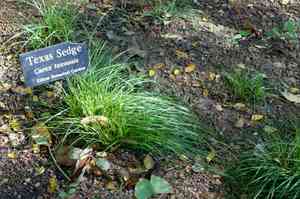
Texas sedge inherently lessens soil degradation.
2
It serves as a superb ground cover for illuminated and shaded spots alike.
3
Needs little upkeep and withstands dry conditions exceptionally well.
Why is Texas sedge an Excellent Choice for Ground Cover?
Minimizes Soil Loss
A primary benefit of cultivating Texas sedge is its natural capacity to lessen soil erosion. Its dense root structure helps secure the earth, preventing it from being washed away by precipitation or carried off by wind. This makes it an invaluable asset for areas susceptible to erosion, such as inclines and riverbanks.
Minimal Upkeep Required
Texas sedge is recognized for its low maintenance demands, making it a favorite among busy gardeners and landscapers. Once rooted, it needs little watering, trimming, or fertilization. This makes it not only economical but also environmentally friendly, reducing the necessity for chemical applications.
How Does Texas sedge Support Ecological Diversity?
Attracts Beneficial Insects
Texas sedge serves as an attractant for various pollinators, including bees and butterflies. These insects are vital for the fertilization of many plants, contributing to a healthier and more vibrant ecosystem. Planting Texas sedge can, therefore, be a simple yet effective way to support local wildlife.
Sustains Native Flora and Fauna
Indigenous plants, such as Texas sedge, are well-suited to local conditions and play a crucial role in supporting the local ecosystem. They provide shelter and sustenance for a variety of insects, birds, and small mammals. By planting Texas sedge, you are helping to preserve the natural biodiversity of your region.
What Makes Texas sedge Adaptable for Landscaping?
Tolerant of Various Light Conditions
Texas sedge is highly adaptable to a range of light conditions, flourishing in both sunny and shaded environments. This versatility makes it an excellent option for various parts of your garden, whether you need to cover a sun-drenched lawn or a shaded undergrowth.
Complements Other Plantings
Texas sedge can be easily incorporated into a diverse array of garden designs. Its foliage and growth habit complement many other plants, adding texture and color to your landscape. It can be used as a border plant, a ground cover, or even in combination with ornamental grasses and flowering perennials.
How Sustainable is Texas sedge?
Highly Resistant to Drought
In today's environmentally conscious world, the drought tolerance of Texas sedge is a significant advantage. This plant requires minimal water once established, making it an ideal choice for xeriscaping and other water-conserving landscaping practices. This not only helps to conserve water but also ensures that the plant remains healthy during dry periods.
Reduces Reliance on Chemical Inputs
Texas sedge is naturally resistant to many pests and diseases, lessening the need for chemical pesticides and fertilizers. This makes it an eco-friendly option for gardeners looking to minimize their environmental footprint. By planting Texas sedge, you contribute to a healthier environment and promote sustainable gardening practices.
Why Should You Consider Cultivating Texas sedge?
Simple to Cultivate
Texas sedge is an easy-to-grow plant that is suitable for gardeners of all skill levels. It establishes quickly and spreads to create a lush, green carpet, transforming bare patches into vibrant landscapes. Its resilience and adaptability make it an ideal plant for beginners and experienced gardeners alike.
Economical Choice
In addition to its numerous ecological benefits, Texas sedge is also a cost-effective option for ground cover. Its low maintenance requirements and minimal need for water or fertilizers translate into long-term savings. This makes it a practical choice for those looking to create beautiful, sustainable gardens without breaking the bank.



