The Chinese catalpa Plant Advantage: Maximizing Home and Office Appeal and Wellness
1
This plant is superb for stopping soil degradation.
2
Its attractive blooms draw in helpful pollinators such as bees and butterflies.
3
Its timber finds application in making light but strong implements and objects.
Why Does Chinese Catalpa Benefit Soil Quality?
Soil Erosion Prevention
Chinese catalpa is recognized for its strong root system, which is very effective at preventing soil erosion. Its roots firmly anchor the soil, lowering the risk of land degradation, especially on sloped areas and embankments. This makes it an excellent plant for gardens situated in hilly regions.
Enhancing Soil Fertility
Another significant advantage of Chinese catalpa is its capacity to boost soil fertility. The plant's shed leaves decompose rapidly, enriching the soil with essential nutrients. Gardeners frequently use its leaves as mulch, which aids in moisture retention and reduces the need for chemical fertilizers.
Improving Soil Structure
The deep roots of Chinese catalpa enhance the soil's structure by increasing aeration and water penetration. This improvement in soil structure promotes better root development for nearby plants, helping them flourish.
What Are the Practical Applications of Chinese Catalpa?
Wood Utilization
Chinese catalpa's timber is highly valued for its lightness and durability. It is frequently used in crafting furniture, musical instruments, and other wooden items. The wood's resistance to decay also makes it suitable for outdoor applications.
Environmental Purification
Chinese catalpa plays a crucial role in purifying the environment. The plant has been shown to absorb pollutants from the air and soil, making it a natural choice for phytoremediation projects. Its ability to improve air quality can have broader implications for urban and industrial zones.
Landscaping and Decorative Uses
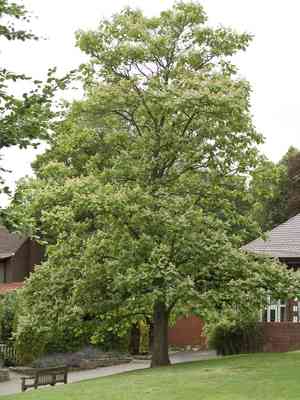
With its broad leaves and attractive flowers, Chinese catalpa is a popular option for ornamental landscaping. It can be planted as a solitary specimen or in clusters to create a picturesque backdrop. Its adaptability makes it suitable for various garden styles, from traditional to contemporary.
How to Cultivate and Maintain Chinese Catalpa?
Ideal Growing Conditions
Chinese catalpa thrives in well-draining soil and prefers full sun to partial shade. It is highly adaptable to various soil types, including sandy and loamy soils. While it can endure drought, consistent watering during its initial growth stages ensures optimal development.
Pruning and Maintenance
Pruning helps maintain Chinese catalpa's form and encourages vigorous growth. It's advisable to prune during late winter or early spring before new growth begins. Regular upkeep, such as removing dead branches and leaves, prevents disease and pest infestations.
Common Pests and Diseases
While Chinese catalpa is relatively pest-resistant, it can occasionally be affected by aphids, caterpillars, and fungal infections. Regular inspection and the use of organic pest control methods can keep these issues in check. Ensuring good air circulation around the plant also minimizes the risk of fungal diseases.
How to Integrate Chinese Catalpa into Your Garden Design?
As a Focal Point
Due to its striking appearance, Chinese catalpa can serve as a central feature in your garden. Plant it in a prominent spot where its beauty can be fully appreciated. Pairing it with other ornamental plants enhances its visual impact.
Creating Shade and Shelter
Chinese catalpa's expansive canopy provides excellent shade, making it a perfect choice for creating relaxing garden areas. It also acts as a windbreak, offering protection to more delicate plants and reducing wind damage.
Companion Planting
Consider planting Chinese catalpa alongside other pollinator-friendly plants to create a vibrant and sustainable garden. Its presence can enhance the health and productivity of companion plants by attracting beneficial insects and improving soil quality.



