The Cornflower Plant Advantage: Maximizing Home and Office Appeal and Wellness
1
Cornflower possesses anti-inflammatory qualities, aiding in the alleviation of skin discomfort.
2
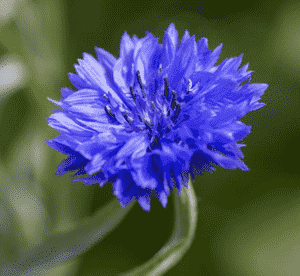
The striking blue blossoms of Cornflower serve as a natural coloring agent for edibles and textiles.
3
Consistent consumption of Cornflower may promote improved gastrointestinal well-being.
What Are the Primary Health Advantages of Cornflower?
Anti-Inflammatory Qualities
Cornflower is highly valued for its anti-inflammatory characteristics. These can be particularly helpful for alleviating swelling and irritation on the skin. It's often utilized in natural skincare items to soothe conditions such as eczema and dermatitis.
Gut Wellness
Regular intake of Cornflower can support digestive well-being. Its constituents bolster the digestive system by fostering beneficial gut bacteria and aiding in nutrient breakdown. This makes it a valuable addition to teas and culinary preparations.
Rich in Antioxidants
Cornflower is abundant in antioxidants, which assist in combating free radicals within the body. These antioxidants are crucial for preventing cellular damage and promoting overall health. Incorporating Cornflower into your diet can contribute to a robust immune system.
How Can You Incorporate Cornflower into Everyday Life?
Natural Colorant for Food and Textiles
One of the most intriguing applications of Cornflower is as a natural coloring agent. The vibrant blue petals can be used to tint foods like baked goods and beverages, as well as fabrics. This provides a chemical-free alternative to synthetic dyes, making Cornflower a versatile option for environmentally conscious consumers.
Skincare Applications
Due to its calming attributes, Cornflower is frequently included in natural skincare products. From toners to creams, the essence of Cornflower can help pacify irritated skin and diminish redness. It's especially effective in products formulated for sensitive skin.
Why Should Gardeners Consider Cultivating Cornflower?
Visual Appeal
Cornflower is renowned for its striking blue blossoms, which can introduce a burst of color to any garden. Its flowers not only enhance aesthetic charm but also attract beneficial insects like bees and butterflies, supporting local ecosystems.
Simple to Grow
Cornflower is relatively straightforward to cultivate, making it an excellent option for both beginner and experienced gardeners. It thrives in various soil types and demands minimal upkeep. Planting Cornflower can bring both beauty and ecological advantages to your garden.
What Are the Historical Applications of Cornflower?
Traditional Remedies
Historically, Cornflower has been employed in various traditional medicinal practices. It was often used to treat minor ailments and promote general health. While it's not used for medical purposes today, its historical importance adds to its cultural value.
Symbolism and Folklore
In many cultures, Cornflower has held symbolic meaning. It has been linked with life, fertility, and prosperity. This rich cultural history makes Cornflower not only a practical choice but also a meaningful one for those who appreciate its heritage.



