The Perennial cornflower Plant Advantage: Maximizing Home and Office Appeal and Wellness
1
Perennial cornflower is a simple-to-cultivate perennial that draws in beneficial insects such as bees and butterflies.
2
Perennial cornflower flourishes in diverse soil types, rendering it a flexible inclusion for gardens.
3
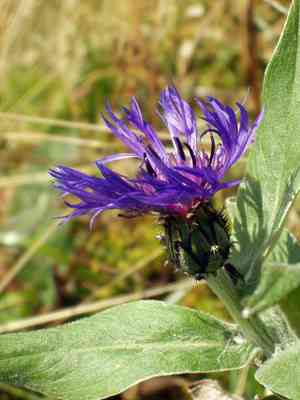
The vivid blue blooms of Perennial cornflower contribute a striking aesthetic charm to any outdoor space.
What Are the Primary Advantages of Cultivating Perennial Cornflower?
Attracts Pollinators
A significant advantage of cultivating Perennial cornflower is its capacity to draw in pollinators like bees and butterflies. These beneficial insects are vital for pollinating diverse plants in your garden, fostering a more robust and productive ecosystem. The vivid blue blossoms of Perennial cornflower act as a lure for these insects, ensuring your garden flourishes with their frequent visits.
Low Maintenance
Perennial cornflower is recognized as a low-upkeep plant, making it perfect for both new and seasoned gardeners. It adapts well to various soil conditions and can thrive with minimal attention. This characteristic makes it an excellent option for those aiming to enhance their gardens' beauty without requiring constant care.
Aesthetic Appeal
The brilliant blue blooms of Perennial cornflower are not only visually striking but also impart a sense of grace and sophistication to any garden. The plant's unique look can serve as a focal point in garden designs, creating a lovely and harmonious display. Furthermore, its extended blooming period ensures your garden stays colorful and appealing for a prolonged duration.
How to Cultivate and Care for Perennial Cornflower?
Optimal Growing Conditions
Perennial cornflower flourishes best in full sun to partial shade, allowing it to adapt to various garden environments. It prefers well-drained soil but can tolerate different soil types, including clay, loam, and sandy soils. Ensure the plant receives ample sunlight and is situated in an area with good air circulation to promote healthy development.
Watering and Fertilization
Perennial cornflower needs moderate irrigation, particularly during dry periods. However, it's crucial to avoid overwatering, as this can lead to root rot. A thin layer of mulch around the base can help retain moisture. Fertilization is generally not required, but a balanced, slow-release fertilizer can be applied during the growing season to encourage vigorous growth.
Pruning and Maintenance
Regular trimming helps preserve the form and appearance of Perennial cornflower. Removing spent flowers will encourage more blooms and extend the flowering season. Additionally, cutting back the stems in late autumn prepares the plant for winter dormancy and promotes healthy growth in the subsequent season. Routine checks for pests and diseases will ensure the plant remains healthy and vibrant.
What Are the Various Applications of Perennial Cornflower?
Garden Landscaping
Perennial cornflower's distinct appearance makes it a versatile plant for garden landscaping. It can be utilized as a border plant, within mixed flower beds, or as a solitary specimen. Its blue flowers offer a striking contrast to other plants, enhancing the overall visual charm of your garden.
Cut Flowers
The beautiful blossoms of Perennial cornflower make excellent cut flowers for indoor arrangements. Their vibrant hue and enduring nature add a touch of elegance to floral bouquets and interior decorations. Simply cut the flower stems at an angle and place them in a vase of water to enjoy their beauty indoors.
Wildlife Habitat
Cultivating Perennial cornflower in your garden can establish a habitat for various wildlife, including beneficial insects and small birds. Its flowers provide nectar and pollen, supporting the local ecosystem and boosting biodiversity. By incorporating this plant into your garden, you contribute to the well-being of the environment.



