The Judas tree Plant Advantage: Maximizing Home and Office Appeal and Wellness
1
The Judas tree is recognized for its beautiful, early spring flowers.
2
It offers superb shade and enhances the soil's condition.
3
Its blossoms draw in numerous pollinators, such as bees.
What Makes the Judas tree Plant Distinctive?
Remarkable Visual Appeal
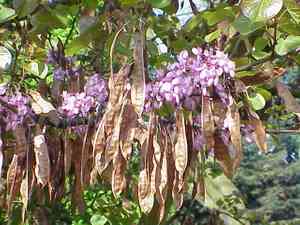
The Judas tree is primarily known for its stunning blossoms, which appear in early spring. These vivid pink or purple flowers are not only beautiful but also among the first indicators of spring. The blooms emerge directly from the trunk and branches, a phenomenon called 'cauliflory,' making the plant uniquely captivating.
Adaptable Growth Choices
The Judas tree is versatile and can grow in various soil types, though it thrives best in well-drained soil. It can endure partial shade to full sun, making it a flexible option for diverse garden environments. Its moderate growth rate and manageable height make it suitable for both small gardens and larger landscapes.
How Does the Judas tree Plant Benefit Your Garden?
Improves Soil Quality
One of the notable advantages of the Judas tree is its capacity to enhance soil quality. The plant's fallen leaves decompose rapidly, returning vital nutrients to the soil. This natural process enriches the soil, fostering healthier plant growth and reducing the need for artificial fertilizers.
Provides Natural Shade
The dense canopy of the Judas tree offers excellent natural shade, making it a great addition to gardens needing sun protection. This feature is especially beneficial for gardens in warmer climates, where shade can help safeguard more delicate plants and maintain a cooler microenvironment.
Why is the Judas tree Plant a Pollinator Magnet?
Attracts Bees and Butterflies
The bright, colorful flowers of the Judas tree are highly appealing to pollinators like bees and butterflies. By planting a Judas tree in your garden, you actively contribute to the local ecosystem by providing a crucial food source for these beneficial insects. This increased pollinator activity aids other plants in your garden as well, promoting better fruit and seed production.
Supports Biodiversity
Beyond attracting common pollinators, the Judas tree also supports a variety of other wildlife. Birds, for instance, are drawn to the plant for shelter and nesting, while various insects thrive on its foliage. This role in supporting biodiversity makes the Judas tree a valuable addition to eco-friendly gardens.
Is the Judas tree Plant Easy to Maintain?
Minimal Water Needs
Once established, the Judas tree is relatively drought-tolerant, requiring minimal watering. This makes it an excellent choice for gardeners looking to conserve water. However, it's crucial to ensure proper watering during the first year to establish a strong root system.
Low Pruning Requirements
The Judas tree generally requires little pruning, making it a low-maintenance option. Light pruning can be done to maintain its shape or remove any dead or damaged branches. However, extensive pruning is not typically necessary, allowing you to enjoy its natural form and beauty with minimal effort.
Can the Judas tree Plant Enhance Your Landscape Design?
Adds Seasonal Interest
The Judas tree is a fantastic choice for adding seasonal interest to your landscape design. Its vibrant spring blooms are followed by attractive heart-shaped leaves that turn a beautiful golden yellow in the fall. This seasonal transformation ensures that the plant remains a focal point in your garden throughout the year.
Ideal for Focal Points and Border Plantings
Due to its striking appearance, the Judas tree works excellently as a focal point in garden design. It can be used effectively in border plantings, as stand-alone specimens, or clustered with other plants to create a visually appealing landscape. Its versatility allows for creative garden arrangements that can enhance the overall aesthetic appeal of your outdoor space.



