The Vetivergrass Plant Advantage: Maximizing Home and Office Appeal and Wellness
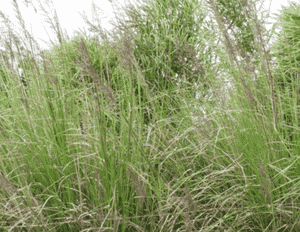
1
Vetivergrass is extensively employed for its ability to prevent soil degradation.
2
The aromatic oil extracted from Vetivergrass roots finds diverse uses in fragrance creation.
3
Vetivergrass exhibits great hardiness and can flourish even in infertile ground.
How Does Vetivergrass Combat Soil Erosion?
Root Strength
A prominent characteristic of Vetivergrass is its robust root system. Its roots can penetrate vertically up to 3 to 4 meters deep. This extensive root structure not only firmly anchors the soil but also enhances its composition. This positions Vetivergrass as a prime option for preventing soil loss in areas susceptible to landslides and significant water runoff.
Surface Runoff Reduction
The dense foliage of Vetivergrass captures surface water flow, decreasing the velocity and volume of water movement. This action minimizes the likelihood of soil being washed away. Over time, this not only preserves the soil but also boosts its fertility, as the trapped sediments function as natural fertilizers.
Can Vetivergrass Improve Water Quality?
Natural Filter
Vetivergrass functions as a natural filtration system, removing pollutants from water before they reach larger bodies of water. The plant's dense root network can absorb chemicals and contaminants, making it a crucial resource for enhancing water quality. This characteristic is particularly beneficial in agricultural environments where runoff water may contain harmful pesticides and fertilizers.
Aquatic Habitat Enhancement
Vetivergrass can also establish a buffer zone between agricultural land and aquatic environments. This buffer zone acts as a barrier that prevents the direct flow of contaminants into rivers and lakes, thereby safeguarding aquatic habitats. The plant's roots not only trap sediments but also supply organic matter that benefits aquatic ecosystems.
What Are the Industrial Uses of Vetivergrass?
Essential Oils
The roots of Vetivergrass are a valuable source of essential oils, recognized for their earthy scent and antiseptic qualities. These oils are widely utilized in the perfumery and cosmetic industries, where they serve as a base note in many high-end fragrances. The oil's distinctive aroma and its ability to blend well with other scents make it a sought-after ingredient.
Handicrafts and More
Additionally, the fibrous leaves of Vetivergrass are employed for crafting handicrafts, including mats, baskets, and thatch roofing. Its adaptability makes it an ideal material for various forms of traditional and contemporary craftwork. This not only provides an additional income stream for rural communities but also promotes sustainable living practices.
Is Vetivergrass Ideal for Phytoremediation?
Heavy Metal Absorption
Vetivergrass has shown considerable promise in phytoremediation, which is the use of plants to cleanse contaminated soils. It is capable of absorbing heavy metals such as lead, zinc, and mercury from the soil. This makes it an excellent choice for restoring polluted lands, such as former mining sites and industrial zones.
Toxicity Reduction
The plant not only absorbs but also stabilizes these contaminants, preventing them from seeping into groundwater. By doing so, Vetivergrass lowers the overall toxicity of the soil, making it safer for other plants and animals. This characteristic is especially valuable in ecological restoration projects.
How Does Vetivergrass Contribute to Sustainable Agriculture?
Soil Fertility
Through its robust root system and organic matter production, Vetivergrass contributes to improving soil fertility. Farmers utilizing Vetivergrass in agroforestry systems report enhanced crop yields and a reduced need for chemical fertilizers. The plant acts as a green manure, enriching the soil naturally over time.
Climate Resilience
Vetivergrass is highly resilient, thriving in harsh climates and poor soil conditions. Its adaptability makes it an ideal companion plant for a variety of agricultural setups. This resilience also means it requires less water and maintenance, making it a sustainable choice for farmers aiming to practice environmentally-friendly agriculture.



