The Mexican olive Plant Advantage: Maximizing Home and Office Appeal and Wellness
1
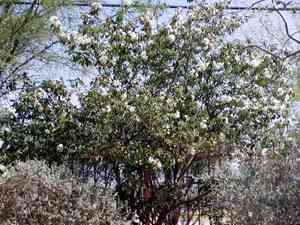
The Mexican olive is an evergreen species known for its attractive white blossoms.
2
It flourishes in dry to moderately dry environments, requiring minimal upkeep.
3
This plant enhances biodiversity by drawing in pollinators such as bees and butterflies.
Why Consider Cultivating Mexican Olive?
Ecological Advantages
A primary benefit of cultivating Mexican olive is its positive environmental impact. This robust plant is renowned for flourishing in arid and semi-arid climates, making it an ideal inclusion for areas experiencing water scarcity. Its extensive root system aids in preventing soil degradation and maintaining soil vitality. Moreover, Mexican olive fosters local biodiversity by attracting various pollinators, including bees and butterflies, which are vital for the ecosystem.
Visual Appeal
Mexican olive showcases lovely white blossoms that appear throughout the year, imparting a touch of grace to any garden or outdoor space. The plant's evergreen nature ensures your outdoor area remains verdant and lively even during dry periods. Its dense, green foliage offers a striking contrast to its delicate flowers, making it a prominent feature in any environment.
How Does Mexican Olive Benefit Gardeners?
Effortless Upkeep
A key reason gardeners appreciate Mexican olive is its low-maintenance characteristic. The plant exhibits high drought tolerance and requires minimal irrigation once established, making it an excellent option for busy gardeners or those in water-restricted regions. Furthermore, Mexican olive resists many common pests and diseases, reducing the need for chemical treatments and promoting a more natural gardening approach.
Diverse Applications
Mexican olive is an incredibly adaptable plant suitable for various landscape designs. Whether you aim to establish a hedge, a central feature in your garden, or a ground cover, Mexican olive fits the purpose. Its capacity to adapt to different soil types and conditions makes it a dependable choice for diverse gardening endeavors. Additionally, the plant's wood is often utilized for crafting and decorative purposes, adding another layer of usefulness to its advantages.
What Are Mexican Olive's Ecological Contributions?
Supporting Native Wildlife
Mexican olive plays a crucial role in sustaining native wildlife. Its flowers provide a rich nectar source for pollinators such as bees, butterflies, and hummingbirds. These pollinators are essential for the reproduction of many plant species, making Mexican olive a valuable component of any ecosystem. The plant's dense foliage also offers refuge and nesting sites for various bird species, contributing to local biodiversity.
Soil Health and Erosion Prevention
The deep root system of Mexican olive not only helps anchor the plant firmly but also contributes significantly to soil health. These roots penetrate deep into the soil, helping to improve soil structure and enhance its water-holding capacity. Additionally, Mexican olive is effective in controlling soil erosion, particularly on slopes and embankments, by stabilizing the soil and preventing runoff.
How Can Mexican Olive Enhance Your Landscape?
Decorative Value
The decorative value of Mexican olive is undeniable. Its year-round white blooms and lush greenery make it a favorite among landscape designers. Whether used as a solitary specimen or in conjunction with other plants, Mexican olive adds a touch of sophistication and beauty to any landscape. Its ability to seamlessly integrate with other plants while still standing out makes it a versatile addition to both formal and informal garden settings.
Cultivating a Pollinator-Friendly Garden
By incorporating Mexican olive into your garden, you are actively fostering a pollinator-friendly environment. The plant's flowers attract numerous pollinators, which are vital for the health and productivity of your garden. A pollinator-friendly garden not only supports the local ecosystem but also enhances the growth and yield of other plants in your garden by ensuring effective pollination.



