The Cornus sanguinea Plant Advantage: Maximizing Home and Office Appeal and Wellness
1
Common dogwood is a resilient, easy-to-care-for shrub that flourishes in diverse soil conditions.
2
It draws in numerous pollinators, boosting the ecological variety in your outdoor space.
3
Common dogwood provides brilliant seasonal hues, contributing beauty throughout the year.
Why Common Dogwood is an Excellent Addition to Your Garden
Effortless Upkeep and Durability
A key reason to incorporate Common dogwood into your garden is its hardiness and minimal care requirements. It thrives in diverse soil types, from sandy to clay, and tolerates both full sun and partial shade. Often found in natural settings, it adapts well to urban environments. This robustness makes it a perfect option for gardeners seeking a beautiful yet undemanding plant.
Year-Round Visual Appeal
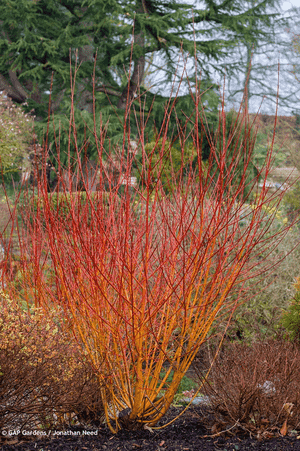
Common dogwood displays a stunning array of colors throughout the year. In spring, it produces delicate white blossoms. Summer brings lush green foliage, which then transforms into vibrant red and purple shades in autumn. During winter, its striking red stems add a burst of color to dull landscapes. This seasonal change ensures your garden remains lively and attractive all year long.
How Common Dogwood Benefits Local Wildlife
Attracts Pollinators
Common dogwood is vital in supporting local ecosystems by drawing in various pollinators like bees, butterflies, and hoverflies. Its fragrant flowers offer nectar and pollen, crucial resources for these insects. By planting Common dogwood, you aid in the survival and spread of these pollinators, which are essential for your garden's health and the wider environment.
Provides Wildlife Habitat
Beyond attracting pollinators, Common dogwood offers refuge and sustenance for diverse wildlife species. Birds, in particular, benefit from its berries, which serve as a food source during colder months. The dense foliage provides nesting sites and cover, making it a sanctuary for many small animals. Integrating Common dogwood into your garden design boosts biodiversity and creates a balanced natural environment.
What are the Environmental Advantages of Common Dogwood?
Soil Erosion Prevention
The extensive root system of Common dogwood is highly effective in preventing soil erosion. Its roots stabilize the ground, reducing runoff and preventing the loss of valuable topsoil. This makes it an excellent choice for planting in areas prone to erosion, such as slopes and riverbanks. By mitigating soil erosion, Common dogwood helps maintain soil fertility and supports the growth of other plants.
Carbon Absorption
Like many shrubs, Common dogwood contributes to absorbing carbon dioxide from the atmosphere. Through photosynthesis, it takes in CO2 and stores it within its plant matter. While its carbon sequestration potential may be modest compared to large trees, every contribution helps in mitigating climate change. Planting Common dogwood in your garden can be a small step towards a more sustainable and eco-friendly environment.
Integrating Common Dogwood into Your Garden Design
Hedges and Borders
Common dogwood is an excellent choice for creating natural hedges or defining garden boundaries. Its dense growth habit provides privacy and windbreaks, making it a functional and appealing element in landscape design. Consider planting Common dogwood alongside other native shrubs to create a natural and sustainable barrier.
Wildlife-Friendly Gardens
For those aiming to create a wildlife-friendly garden, Common dogwood is essential. Plant it in groups to form thickets that offer cover and foraging material for animals. Combining Common dogwood with other nectar and berry-producing plants creates an inviting habitat for a wide range of species. Additionally, leaving fallen leaves and branches can provide habitat for insects and ground-dwelling creatures.



