The Turkish hazel Plant Advantage: Maximizing Home and Office Appeal and Wellness
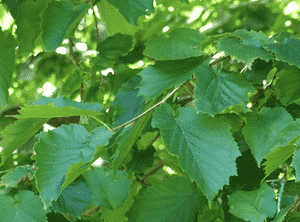
1
The Turkish hazel is prized for its robust character, making it a durable option for city environments.
2
Its nuts provide a significant food source for both animals and people.
3
Turkish hazel provides superior erosion prevention, which is advantageous for preserving soil.
Environmental Advantages of Turkish hazel
How Does Turkish hazel Support Biodiversity?
The Turkish hazel significantly aids local ecosystems by offering shelter and sustenance for diverse wildlife. Its nuts, specifically, serve as a crucial food source for birds, squirrels, and other small mammals. Furthermore, the tree's expansive canopy provides refuge and nesting sites, supporting numerous bird species. Its fallen leaves enrich the soil, fostering a healthy understory and promoting rich biodiversity.
What Role Does Turkish hazel Play in Soil Conservation?
Turkish hazel is particularly effective in preventing soil erosion due to its robust root system. This strong network anchors the soil, averting landslides and topsoil degradation. Its extensive roots also enhance soil structure and boost water infiltration, making it an excellent choice for stabilizing slopes and riverbanks.
Practical Applications of Turkish hazel
Why Choose Turkish hazel for Urban Landscaping?
Given its impressive resilience to pollution and harsh urban environments, Turkish hazel is increasingly favored in city landscapes. Its deep roots do not disrupt sidewalks or roads, and its tough nature ensures longevity even in suboptimal conditions. The tree's aesthetic appeal, with its attractive foliage and manageable size, makes it a popular option for lining streets, parks, and public areas.
How Can Turkish hazel Be Used in Agriculture?
Agriculturally, Turkish hazel provides multiple advantages. Its nuts are gathered and used in various culinary applications, prized for their rich flavor and nutritional content. Additionally, the wood of this plant is valued for its strength and durability, frequently used in crafting furniture and tools. Cultivating Turkish hazel can also contribute to agroforestry practices, offering shade and support for other crops, thereby enhancing farm biodiversity and productivity.
Guidelines for Successfully Cultivating Turkish hazel
What Are the Optimal Growing Conditions for Turkish hazel?
Turkish hazel thrives best in well-drained, fertile soils with good moisture retention. It prefers full sun to partial shade, ensuring it receives ample light for optimal development. Although tolerant of various soil types, it flourishes in slightly acidic to neutral pH conditions. Consistent watering, especially during dry periods, helps maintain its health and vigor.
How to Care for Turkish hazel Throughout the Year?
Pruning Turkish hazel in late winter helps maintain its form and remove any dead or diseased wood, encouraging healthy new growth in spring. Mulching around the base conserves moisture and regulates soil temperature. Additionally, regular fertilization with a balanced fertilizer supports nutrient availability. Monitoring for pests and diseases, and taking prompt action when necessary, ensures the tree remains robust and healthy year-round.
Economic and Cultural Importance of Turkish hazel
What Are the Economic Contributions of Turkish hazel?
Turkish hazel possesses significant economic value, especially in regions where its nuts are commercially harvested. The production and sale of these nuts contribute to local economies, generating employment in agriculture, processing, and trade. Furthermore, the wood is a resource for timber industries, offering economic benefits in woodworking and carpentry sectors.
How Is Turkish hazel Integrated into Cultural Practices?
In various cultures, Turkish hazel holds symbolic and practical significance. Its nuts are often featured in traditional cuisine, festivals, and rituals. The tree itself may be planted in public and private spaces to commemorate events or symbolize growth and stability. Thus, Turkish hazel not only supports economic activities but also enriches cultural heritage and community life.



