The Beaked hazelnut Plant Advantage: Maximizing Home and Office Appeal and Wellness
1
Beaked hazelnut offers abundant nourishment, encompassing dietary fiber, essential vitamins, and vital minerals.
2
Beaked hazelnut benefits local fauna, supplying sustenance and shelter for diverse creatures.
3
Beaked hazelnut improves ground quality via nitrogen binding and soil loss mitigation.
What Nutritional Benefits Does Beaked hazelnut Offer?
Rich in Vital Nutrients
Beaked hazelnut is abundant in key nutrients like fiber, vitamins, and minerals. These components contribute to overall wellness, bolstering immune function, bone strength, and energy metabolism. Furthermore, its nuts are an excellent source of beneficial fats, vital for cardiovascular health.
Supports Digestive Health
The high fiber content in Beaked hazelnut assists in maintaining a healthy digestive system. Fiber promotes regular bowel movements, helps prevent constipation, and supports gut health by fostering beneficial bacteria.
How Does Beaked hazelnut Benefit the Environment?
Wildlife Support
Beaked hazelnut plays a vital role in local ecosystems, providing sustenance and shelter for various wildlife species. Its nuts serve as a food source for birds, squirrels, and other small mammals, while its dense foliage offers nesting sites and protection.
Enhances Soil Health
The roots of Beaked hazelnut aid in nitrogen fixation, enriching the soil with essential nutrients that promote plant growth. Additionally, the plant's extensive root system helps prevent soil erosion, preserving soil structure and fertility.
Can Beaked hazelnut Be Incorporated in Landscaping?
Aesthetic Appeal
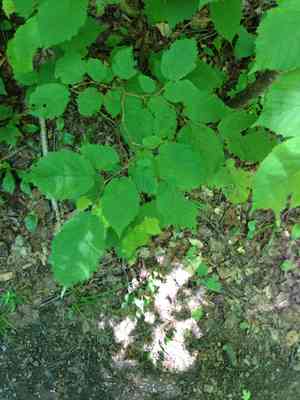
Beaked hazelnut features attractive foliage and distinctive catkins that add visual interest to landscape designs. Its adaptability to various soil types and conditions makes it a versatile choice for residential and commercial landscaping projects.
Support for Sustainable Practices
Incorporating Beaked hazelnut into landscaping aligns with sustainable practices. Its role in improving soil health and supporting local wildlife makes it a valuable addition for those looking to create environmentally-friendly spaces.
What are the Cultivation Tips for Beaked hazelnut?
Planting and Soil Requirements
Beaked hazelnut thrives in well-drained soils with moderate fertility. It's best planted in a location that receives full sun to partial shade. Ensure that the planting site has good air circulation to prevent fungal diseases.
Maintenance and Care
Regular watering during dry spells is crucial to maintain the health of Beaked hazelnut. Pruning is recommended to remove dead or diseased branches and to encourage a desired shape and size. Mulching at the base can help retain moisture and suppress weeds.



