The Poisonbulb Plant Advantage: Maximizing Home and Office Appeal and Wellness
1
Poisonbulb is valued for its impressive, decorative blooms that beautify garden spaces.
2
The extracts from this plant have been traditionally employed for diverse historical applications.
3
Poisonbulb possesses inherent qualities capable of deterring specific pests, contributing to garden well-being.
Why Select Poisonbulb for Your Garden?
Visual Appeal
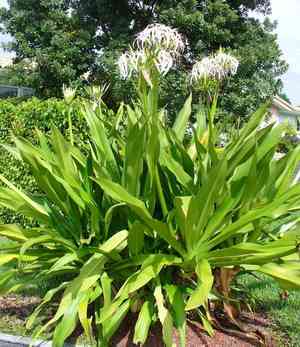
Poisonbulb is celebrated for its large, striking blossoms that are sure to capture attention. The flowers are typically white and fragrant, standing out against the green foliage. This makes Poisonbulb an excellent option if you're aiming to introduce a touch of sophistication and beauty to your garden. The plant's robust nature and distinctive look can serve as a focal point, transforming any garden area into a visual delight.
Adaptable Growing Conditions
A primary reason gardeners are drawn to Poisonbulb is its versatility. It flourishes in well-drained soil and can withstand a range of light conditions, from full sun to partial shade. This flexibility makes it a suitable choice for various garden setups, whether in containers, garden beds, or as a solitary feature. Furthermore, Poisonbulb is relatively low-maintenance, requiring only moderate watering and occasional trimming, making it perfect for both new and seasoned gardeners.
How Does Poisonbulb Enhance Garden Health?
Natural Pest Deterrent
Beyond its aesthetic charm, Poisonbulb can play a vital role in sustaining garden health. The plant possesses inherent qualities that repel certain pests, contributing to the overall well-being of your garden. For instance, its presence can deter insects like aphids and caterpillars, reducing the need for chemical pesticides and fostering a more organic gardening approach. This advantage makes Poisonbulb a valuable addition to any eco-friendly garden design.
Soil Enrichment
Poisonbulb also contributes to improving soil quality. As part of its natural life cycle, the plant sheds leaves and organic matter, which decompose and enrich the soil with vital nutrients. This process enhances soil fertility and promotes healthier, more vigorous plant growth throughout your garden. Additionally, the root system of Poisonbulb aids in preventing soil erosion, keeping your garden landscape stable and well-maintained.
Exploring Traditional Uses of Poisonbulb
Historical Context
Historically, Poisonbulb has held a significant position in various traditional practices. In many cultures, parts of this plant were utilized for their supposed beneficial attributes. For example, its bulbs and leaves were frequently employed in diverse traditional applications. Although contemporary usage may differ, these historical practices underscore the plant's enduring value beyond mere aesthetics.
Crafting and Practical Applications
In addition to its traditional uses, Poisonbulb has been employed for crafting and other practical purposes. The leaves, known for their durability, were sometimes woven into mats or used in roofing. Such applications highlight the plant's versatility, demonstrating that Poisonbulb offers more than just ornamental beauty. By reinterpreting these traditional uses, modern gardeners and craftspeople can discover innovative ways to incorporate Poisonbulb into their projects, blending utility with aesthetics.
What Are the Best Practices for Cultivating Poisonbulb?
Optimal Planting Methods
To maximize the benefits of Poisonbulb in your garden, it's crucial to adhere to some best practices for its cultivation. Begin by selecting an appropriate location that provides good drainage and moderate sunlight. When planting, ensure the bulbs are spaced adequately to prevent overcrowding and facilitate air circulation. Consistent watering is essential, especially during the growing season, but be careful not to overwater, as this can lead to root rot.
Ongoing Care
Maintaining Poisonbulb involves periodic trimming and removal of dead or yellowing leaves to encourage new growth. Fertilization can be performed annually with a balanced, slow-release fertilizer to supply essential nutrients. Additionally, keep an eye out for pests and diseases, although Poisonbulb is relatively resilient. If necessary, use organic pest control methods to preserve its health. With proper care and maintenance, Poisonbulb can thrive and continue to bring its numerous benefits to your garden.



