The Woodland crocus Plant Advantage: Maximizing Home and Office Appeal and Wellness
1
Woodland crocus flourishes in dappled light, making it ideal for shaded garden spots.
2
The flowers of Woodland crocus draw in beneficial insects like bees and butterflies.
3
Woodland crocus is recognized for its minimal care requirements and adaptability to diverse soil conditions.
What Makes Woodland crocus a Garden Favorite?
Visual Appeal and Aesthetic Value
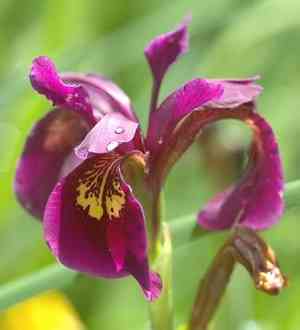
A key characteristic of Woodland crocus is its lovely, delicate blossoms that appear in early spring. These flowers often display hues of lavender and pink, bringing vibrant color to gardens as winter recedes. This initial burst of color is not only visually pleasing but also signals the arrival of warmer weather. Its foliage remains attractive post-bloom, offering extended visual interest.
Perfect for Understory Planting
Given its preference for partial shade, Woodland crocus excels when planted beneath other plants. It can be situated under larger shrubs and trees, filling in often empty or underutilized garden areas. Its capacity to flourish in shaded conditions makes it a versatile addition, enhancing the overall landscape design without competing for sunlight.
Attracting Pollinators
Woodland crocus plays a vital role in supporting local ecosystems by drawing in pollinators like bees and butterflies. Its early bloom time means it's among the first nectar sources available in spring, providing crucial sustenance for pollinators emerging from winter dormancy. This benefits not only the garden but also the broader local environment.
Low-Maintenance Delight
One of the most gratifying aspects of cultivating Woodland crocus is its minimal care requirements. It's a resilient plant that can thrive in diverse soil types, from well-drained to moderately fertile. Once established, it needs little attention, making it an excellent choice for gardeners desiring a beautiful garden without extensive upkeep.
How Does Woodland crocus Enhance Garden Biodiversity?
Providing Habitat for Wildlife
Woodland crocus offers more than just beauty; it also contributes to garden biodiversity. By planting it, you create a habitat for various insects and small wildlife. Its flowers and foliage provide shelter and food, supporting a wide array of species. This can lead to a more balanced and healthy garden ecosystem.
Companion Plant Benefits
Another way Woodland crocus boosts biodiversity is through its role as a companion plant. Its presence can improve growing conditions for other plants by attracting beneficial insects that aid in pollination and pest control. This symbiotic relationship can foster a more thriving and ecologically balanced garden environment.
Seed Dispersal via Wildlife
Woodland crocus employs a natural seed dispersal method involving local wildlife. Birds and small animals often transport seeds to new locations, allowing the plant to spread naturally. This not only helps the plant propagate but also enhances the genetic diversity of the local plant population.
Can Woodland crocus Be Integrated into Different Garden Styles?
Formal Garden Settings
Woodland crocus can be seamlessly incorporated into various garden styles, including formal gardens. Its tidy growth habit and appealing flowers make it well-suited for borders or structured planting schemes. In formal gardens, it can add a touch of early season charm while maintaining the overall visual harmony of the space.
Cottage and Woodland Gardens
In less formal settings like cottage and woodland gardens, Woodland crocus truly excels. Its naturalistic growth pattern and ability to thrive in partial shade make it an ideal choice for these styles. It can be allowed to naturalize, creating swathes of color that mimic wildflower meadows.
Rock Gardens and Edging
Woodland crocus is also an excellent option for rock gardens and as an edging plant. Its compact size and early flowering period make it a perfect candidate for these specialized garden areas. When used for edging, it can define garden beds while adding a splash of seasonal interest.
Why Gardeners Love Woodland crocus for Sustainability
Drought Tolerance
Woodland crocus displays a commendable level of drought tolerance once established, reducing the need for frequent watering. This makes it a sustainable choice for gardens in areas with water restrictions or those aiming to conserve water. By selecting Woodland crocus, gardeners can contribute to more environmentally responsible practices.
Reduced Chemical Use
Another sustainability benefit of Woodland crocus is its natural resistance to many common garden pests. This lessens the need for chemical pesticides, promoting a healthier garden ecosystem. Furthermore, its ability to thrive in various soil conditions means gardeners can also minimize fertilizer use, further reducing their environmental footprint.



