The Japanese red cedar Plant Advantage: Maximizing Home and Office Appeal and Wellness
1
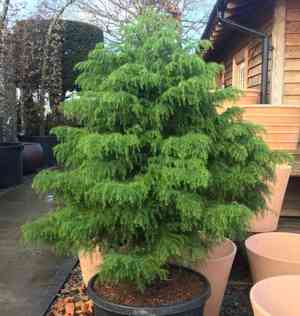
Cryptomeria japonica, or Japanese red cedar, is recognized for its rapid development, perfect for establishing swift visual barriers.
2
The wood derived from Japanese red cedar is greatly esteemed for its resilience and natural pest deterrence.
3
Japanese red cedar emits phytoncides, organic substances capable of enhancing immune system performance.
What Makes Japanese red cedar Unique?
Growth Rate and Appearance
Japanese red cedar exhibits a swift growth pace, making it an excellent option for those aiming to quickly establish privacy barriers or windbreaks in their gardens. With its rich, green foliage and graceful conical form, Japanese red cedar adds a touch of natural beauty that can enhance any landscape design. Its look is also highly adaptable, fitting both traditional and modern garden styles.
Ecological Contributions
Beyond its visual appeal, Japanese red cedar plays a vital role in maintaining ecological balance. It offers shelter and sustenance for various wildlife, including birds and small mammals. The roots of Japanese red cedar aid in soil stabilization, reducing erosion and fostering a healthier ecosystem within your garden. Additionally, its dense foliage can assist in capturing airborne particles, thereby improving air quality in the surrounding area.
How Can Japanese red cedar Benefit Your Home?
Timber Quality
One of the prominent features of Japanese red cedar is its premium timber, celebrated for its durability, strength, and resistance to pests and decay. This makes it an ideal material for constructing outdoor structures such as decks, fences, and garden furniture. The natural resilience of Japanese red cedar timber means it requires less chemical treatment, making it a more eco-friendly choice compared to other wood types.
Phytoncides and Health Benefits
Japanese red cedar is known for producing phytoncides, natural antimicrobial compounds believed to boost immune function and overall well-being. These compounds are released into the air from the plantâs foliage and can have aromatherapeutic effects when inhaled. Incorporating Japanese red cedar into your indoor spaces, such as through potted plants or indoor gardens, can potentially contribute to a healthier living environment by improving air quality and providing a sense of tranquility and relaxation.
What Are the Best Practices for Growing Japanese red cedar?
Planting Conditions
To ensure the successful cultivation of Japanese red cedar, it is important to plant it in well-drained soil with ample sunlight. While Japanese red cedar is adaptable to various soil types, it thrives best in slightly acidic to neutral soils. Adequate spacing is crucial to accommodate its rapid growth and to prevent overcrowding, which can lead to poor air circulation and potential disease issues.
Maintenance and Care
Regular upkeep of Japanese red cedar involves watering during dry spells, especially when the plant is young and establishing its root system. Pruning is also advised to maintain its shape and remove any dead or damaged branches. Fertilization can be done annually to promote vigorous growth, but it is generally not essential as Japanese red cedar is relatively low-maintenance once established.
Why Choose Japanese red cedar for Your Landscaping Projects?
Versatility in Landscaping
Japanese red cedar offers unparalleled versatility in landscaping applications. Whether you're looking to create a privacy screen, a magnificent standalone specimen, or a complementary backdrop for other plants, Japanese red cedar integrates seamlessly into various garden designs. Its year-round greenery and attractive form make it a dependable choice for adding visual interest and structure to your outdoor spaces.
Economic and Aesthetic Value
In addition to its practical advantages, Japanese red cedar also offers significant economic value. Its timber is highly sought after, increasing the overall value of properties that feature this plant. Furthermore, the aesthetic appeal of Japanese red cedar can enhance the curb appeal of your home, making it more attractive to potential buyers if you ever decide to sell your property.



