The Chinese forget-me-not Plant Advantage: Maximizing Home and Office Appeal and Wellness
1
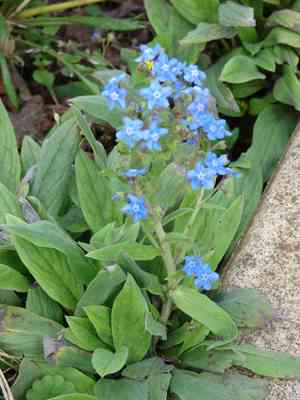
This plant is celebrated for its vivid blue blooms, making it a garden favorite.
2
It tolerates diverse soil conditions and needs little upkeep.
3
Provides many ecological advantages, such as drawing in helpful bugs.
What are the Aesthetic and Visual Advantages of Chinese forget-me-not?
Vibrant Blooms that Enhance Any Space
Chinese forget-me-not is particularly recognized for its striking blue blossoms that appear in abundance, adding a burst of color to gardens, borders, and potted arrangements. The vivid shade and delicate form of its flowers make it a spectacular enhancement to any landscape, captivating observers and providing visual charm throughout its active growth period.
Adaptability in Garden Layout
Its capacity to integrate seamlessly with other plants makes Chinese forget-me-not a flexible option for various garden designs. Whether as a standalone feature or combined with other flora, it can readily elevate the aesthetic value of your garden. Its adaptability to diverse design concepts, from cottage gardens to contemporary landscapes, is truly remarkable.
How Does Chinese forget-me-not Benefit the Environment?
Attracts Pollinators and Beneficial Insects
Chinese forget-me-not plays a crucial role in supporting local ecosystems by drawing in pollinators like bees and butterflies. These insects are essential for the fertilization of many plants, contributing to biodiversity and the vitality of your garden. Furthermore, by attracting these helpful insects, Chinese forget-me-not aids in maintaining a balanced ecosystem.
Soil Health and Erosion Control
Beyond its beauty, Chinese forget-me-not assists in preserving soil health. Its root system can contribute to soil stabilization, reducing erosion and fostering a robust root network in nearby plants. This is especially advantageous for gardens situated on inclines or areas prone to soil degradation.
What Growth Conditions Favor Chinese forget-me-not?
Soil and Watering Requirements
Chinese forget-me-not is remarkably adaptable to various soil types, though it thrives best in well-draining soil. It requires moderate irrigation, making it a low-maintenance plant ideal for both beginner and experienced gardeners. Ensuring the soil remains slightly moist, without being waterlogged, promotes vigorous growth.
Sunlight and Temperature Preferences
Chinese forget-me-not flourishes in full sun to partial shade, enjoying several hours of direct sunlight. It is resilient to a range of temperatures but thrives in cooler climates. Understanding these conditions helps optimize its growth and ensures it reaches its full potential.
Why Choose Chinese forget-me-not for Urban Gardening?
Space Efficiency in Container Gardening
For city dwellers with limited garden space, Chinese forget-me-not is an excellent choice. Its compact size makes it perfect for container gardening, allowing urban gardeners to enjoy its benefits on balconies, patios, or even windowsills. The ease of growing Chinese forget-me-not in pots provides flexibility in urban settings.
Contributing to Urban Green Spaces
In addition to private gardens, Chinese forget-me-not is a fantastic addition to public green spaces. Its aesthetic appeal and environmental benefits contribute to the beauty and ecological health of urban areas. Planting Chinese forget-me-not in community gardens, parks, or roadside plantings can enhance urban green infrastructure.
How to Incorporate Chinese forget-me-not into Your Garden Design?
As a Focal Point
Use Chinese forget-me-not as a focal point in garden design to draw attention and create visual interest. Plant it in clusters or strategic locations where its vibrant colors can stand out and captivate viewers. Integrating it into flower beds or borders can create a harmonious and eye-catching display.
Companion Planting
Consider incorporating Chinese forget-me-not with plants that complement its growth habits and color palette. Companion planting not only enhances aesthetic appeal but also promotes healthy growth by utilizing plants' natural relationships. Effective pairings can lead to a thriving and visually appealing garden.



