The Tufted hairgrass Plant Advantage: Maximizing Home and Office Appeal and Wellness
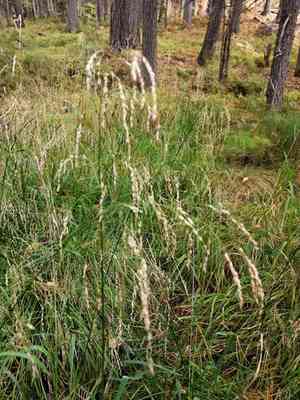
1
This botanical specimen is well-known for flourishing in various soil types.
2
It serves a crucial function in preventing soil erosion and maintaining ground stability.
3
This resilient flora offers a sanctuary for numerous animal species.
What Are the Growth Habits of Tufted hairgrass?
Adaptability to Various Soil Types
Tufted hairgrass exhibits a remarkable capacity to flourish across diverse soil conditions, from damp meadows to arid uplands. This versatility makes it an excellent option for various landscaping endeavors, ensuring its success in differing environmental settings.
Tolerance to Environmental Stress
Tufted hairgrass demonstrates high resilience to harsh environmental factors like drought, extreme temperatures, and poor soil quality. Its robust root system enables it to endure periods of adversity without significant harm, establishing it as a dependable plant for sustainable landscaping.
How Does Tufted hairgrass Benefit the Ecosystem?
Erosion Control and Soil Stabilization
A primary ecological advantage of Tufted hairgrass is its function in preventing soil erosion. Its dense root systems help bind the earth, lessening the risk of erosion caused by wind and water. This makes it an ideal plant for stabilizing slopes and riverbanks.
Habitat for Wildlife
Tufted hairgrass offers vital habitat and sustenance for a range of wildlife species. Birds, small mammals, and numerous insects find refuge and nourishment within the thick clumps of this plant. By integrating Tufted hairgrass into your green space, you can support local biodiversity and foster a thriving ecosystem.
What Are the Ornamental Uses of Tufted hairgrass?
Aesthetic Appeal in Landscaping
Tufted hairgrass is valued for its graceful, arching leaves and delicate blooms, which impart a natural charm to any garden or landscape. It can be utilized as a border plant, in mass plantings, or as an accent in mixed perennial gardens. Its year-round appeal makes it a versatile addition to both formal and informal gardens.
Low Maintenance Requirements
A key characteristic of Tufted hairgrass is its minimal maintenance needs. Once established, it requires little care, making it an excellent choice for busy gardeners or those seeking a more sustainable landscape solution. Regular watering is only necessary during extended dry periods, and it seldom requires fertilization.
Can Tufted hairgrass Be Used in Restoration Projects?
Rehabilitation of Degraded Landscapes
Tufted hairgrass is frequently utilized in ecological restoration projects due to its capacity to establish quickly and enhance soil health. Its dense growth habit helps suppress invasive species, allowing native plants to reassert dominance. This makes it an effective tool in the recovery of degraded landscapes.
Contribution to Carbon Sequestration
Tufted hairgrass also contributes to carbon sequestration, capturing and storing carbon dioxide from the atmosphere in its biomass and soil. This aids in the reduction of greenhouse gases, making Tufted hairgrass a valuable component of efforts to combat climate change.
How to Plant and Care for Tufted hairgrass?
Planting Guidelines
For successful growth, plant Tufted hairgrass in a location receiving full to partial sunlight. Prepare the soil by removing weeds and incorporating organic matter to improve drainage. Space the plants appropriately to allow for air circulation and future development.
Ongoing Care
While Tufted hairgrass is relatively low-maintenance, occasional care can boost its health and appearance. Mulching around the base helps retain moisture and deter weeds. Pruning dead or damaged foliage in late winter or early spring promotes new growth and maintains a neat look.



