The Blue fescue Plant Advantage: Maximizing Home and Office Appeal and Wellness
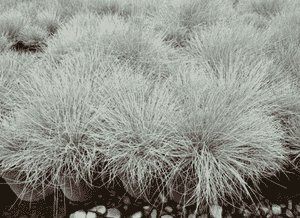
1
Blue fescue tolerates dry conditions well, ideal for water-wise landscaping.
2
Its compact, clumping habit aids in preventing soil loss on inclines.
3
Blue fescue offers distinct aesthetic value due to its vibrant blue leaves.
Why Blue Fescue is an Excellent Option for Your Garden
Arid Condition Tolerance
A key characteristic of Blue fescue is its remarkable ability to withstand dry conditions. This grass is well-suited for dry climates and flourishes with minimal water, making it perfect for water-wise landscaping. In regions where water conservation is crucial, Blue fescue offers an attractive and sustainable solution without compromising beauty.
Minimal Upkeep
Blue fescue is well-known for needing very little care. Once rooted, it demands minimal attention, making it an ideal choice for busy gardeners or those aiming to lessen their gardening tasks. Occasional trimming and removal of withered leaves are typically all that's required to maintain its best appearance.
Pest and Disease Immunity
Blue fescue naturally resists most pests and diseases, further reducing the need for chemical treatments and extensive care routines. This trait not only makes the plant eco-friendly but also saves you time and effort in maintaining a thriving garden.
How Blue Fescue Can Improve Your Landscape Aesthetics
Visual Appeal
The striking blue foliage of Blue fescue creates a distinctive visual charm that can enhance any garden or outdoor space. Its compact, mounding shape adds texture and contrast, making it an excellent option for borders, rockeries, and ground cover. The plant's consistent color ensures your landscape remains vibrant even outside the main growing seasons.
Soil Erosion Prevention
Due to its dense, clumping growth habit, Blue fescue effectively prevents soil erosion, particularly on sloped areas. The roots of this grass bind the soil, reducing runoff and helping to preserve the structural integrity of your garden. This makes it especially useful for stabilizing inclines and preventing erosion in vulnerable spots.
Can Blue Fescue Improve Soil Quality?
Improving Soil Structure
Blue fescue contributes to better soil health by enhancing its structure. The plant's root system aerates the soil, promoting superior water penetration and reducing compaction. This, in turn, fosters a healthier environment for other plants to flourish.
Beneficial Microbes
The presence of Blue fescue in your garden can stimulate the proliferation of beneficial soil microorganisms. These microorganisms decompose organic matter, releasing vital nutrients back into the soil. As a result, the overall fertility and health of your garden soil are enhanced.
Proper Care for Blue Fescue
Planting Instructions
Planting Blue fescue is straightforward. Select a site with well-draining soil and full to partial sun exposure. Space the plants approximately 12 to 18 inches apart to allow for adequate air circulation and growth. Water the plants regularly until they are established, which usually takes a few weeks.
Ongoing Maintenance
Once established, Blue fescue requires minimal attention. Water the plant during extended dry periods and prune back dead foliage in early spring. Fertilization is generally not needed, but a light application of a balanced fertilizer in spring can encourage robust growth.
Incorporating Blue Fescue into Garden Design
Xeriscaping Applications
Given its drought tolerance, Blue fescue is an excellent choice for xeriscaping. Pairing it with other water-wise plants can create a visually appealing and water-efficient landscape. Consider using Blue fescue along paths, as ground cover, or in rock gardens for optimal effect.
Containers and Edges
Blue fescue also thrives in containers, making it adaptable for patios and smaller gardens. Its compact growth makes it a great option for borders, where it can provide a soft, flowing edge to garden beds. Combining it with perennials and annuals can create captivating contrasts and layers in your garden design.



