The Weeping forsythia Plant Advantage: Maximizing Home and Office Appeal and Wellness
1
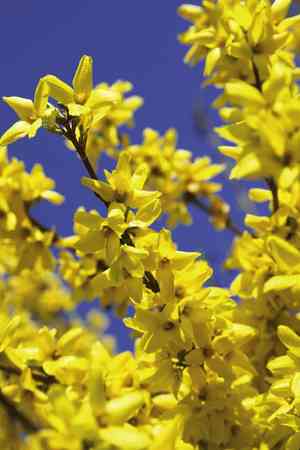
Weeping forsythia is recognized for its vibrant yellow blossoms that appear in early spring.
2
It is a favored decorative plant because of its flowing branches.
3
Weeping forsythia has been utilized in diverse traditional customs for its advantageous characteristics.
What Makes Weeping forsythia Special?
Unique Appearance
Weeping forsythia is renowned for its distinctive and captivating look. This plant showcases long, arching branches that gracefully drape, creating a 'weeping' effect, particularly noticeable during its bloom period. Its bright yellow flowers emerge before the leaves, providing a burst of color that signals spring's arrival. This singular visual appeal makes Weeping forsythia a preferred choice for gardeners aiming to add a dramatic flair to their landscapes.
Versatility in Landscaping
Weeping forsythia is incredibly adaptable and can be incorporated into various garden designs. Its ability to thrive as a solitary shrub, form hedges, or ascend trellises offers numerous possibilities for garden enthusiasts. The plant's flexibility for different garden styles, combined with its resistance to pests and diseases, makes it a dependable and attractive addition to any garden.
Why Should You Consider Growing Weeping forsythia?
Ease of Growth and Maintenance
Weeping forsythia is relatively simple to cultivate and requires minimal upkeep, making it an excellent option for both new and experienced gardeners. It flourishes in well-drained soil and can tolerate various soil types, from clay to sandy. Once established, Weeping forsythia has moderate drought tolerance, though it benefits from consistent watering during extended dry periods. Its low maintenance needs mean you can enjoy its beauty without constant care.
Seasonal Interest
The seasonal appeal offered by Weeping forsythia is another compelling reason to cultivate this plant. Its vibrant yellow blooms are among the first to appear in early spring, delivering a much-needed splash of color after the drab winter months. As the seasons progress, the plant's lush green foliage provides a serene and cooling effect to garden areas, making it an attractive element throughout the year.
How Can Weeping forsythia Enhance Your Well-being?
Connection to Nature
Gardening and spending time tending to plants like Weeping forsythia can boost your well-being by fostering a deeper bond with nature. The act of planting, nurturing, and observing the growth of Weeping forsythia can offer a sense of accomplishment and peace. The visual charm of its flowers and foliage can also alleviate stress and promote feelings of relaxation and joy.
Environmental Benefits
Weeping forsythia contributes to the environment in several ways. Its dense foliage can act as a natural air purifier by capturing dust and pollutants. Additionally, the plant provides habitat and sustenance for various pollinators such as bees and butterflies. By integrating Weeping forsythia into your garden, you not only enhance your immediate surroundings but also support local wildlife and contribute to ecological balance.
Creative Uses of Weeping forsythia in Your Garden
Creating Natural Privacy Screens
Weeping forsythia can be utilized creatively to establish natural privacy screens in your garden. Planting this species along property boundaries or around outdoor living areas can form a visually appealing barrier that offers seclusion without the need for artificial structures. Its dense growth habit ensures an effective screen year-round, enhancing both aesthetics and utility.
Enhancing Garden Pathways
Consider employing Weeping forsythia to border garden paths for a charming effect. The cascading branches and vibrant flowers can create an inviting and picturesque walkway. By strategically placing Weeping forsythia along pathways, you guide visitors through your garden in a visually pleasing manner, highlighting other plants and garden features along the way.
Tips for Growing Weeping forsythia Successfully
Optimal Planting Conditions
To cultivate Weeping forsythia successfully, it's crucial to understand its preferred planting conditions. Select a site that receives full sun to partial shade, as this plant performs best with at least six hours of sunlight daily. Ensure the soil is well-drained, as standing water can lead to root rot. If your soil is heavy clay, consider amending it with organic matter to improve drainage.
Regular Pruning
Consistent pruning is vital for maintaining the shape and health of Weeping forsythia. Prune the plant immediately after it finishes blooming to encourage new growth and prevent it from becoming too sparse. Remove any dead or damaged branches to promote optimal health and vigor. Proper pruning ensures that Weeping forsythia retains its attractive form and continues to bloom profusely each year.



