The Alder buckthorn Plant Advantage: Maximizing Home and Office Appeal and Wellness
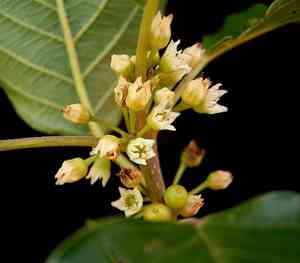
1
Alder buckthorn is recognized for its environmentally beneficial characteristics, offering shelter and sustenance to fauna.
2
Alder buckthorn provides considerable advantages for ground vitality, such as mitigating soil degradation.
3
The fruits of Alder buckthorn are suitable for producing organic colorants.
How Does Alder buckthorn Benefit Your Garden?
Improving Soil Health
Alder buckthorn significantly enhances soil structure and fertility. Its root system stabilizes the ground, reducing erosion and fostering a healthy ecosystem. Decomposing leaves and other organic matter from the plant enrich the soil, boosting its fertility and supporting plant growth.
Supporting Biodiversity
Incorporating Alder buckthorn into your garden promotes local biodiversity. The plant attracts various insects, birds, and other wildlife, establishing a natural habitat that encourages ecological balance. Its berries serve as a food source for many bird species, making it vital for a thriving garden ecosystem.
What Are the Eco-friendly Properties of Alder buckthorn?
Natural Pest Control
Alder buckthorn can act as a natural pest management solution. By drawing in beneficial insects like ladybugs and predatory beetles, it helps control pest populations without chemical pesticides, creating a safer, more sustainable garden environment.
Erosion Reduction
A key advantage of Alder buckthorn is its capacity to lessen soil erosion. Its root network effectively binds the soil, preventing erosion, which is especially useful for landscaping and areas prone to soil degradation. Planting Alder buckthorn helps protect your soil and contributes to landscape stability.
Can Alder buckthorn Be Used for Practical Applications?
Creating Natural Dyes
The berries of Alder buckthorn have historically been used to produce natural dyes. These dyes are sustainable and free from the harmful chemicals often found in synthetic alternatives. Crafters and artisans can use Alder buckthorn berries to create beautiful, eco-friendly colors for textiles and other materials.
Crafting and Landscaping
Alder buckthorn wood is suitable for various craft and landscaping projects. Its durability makes it ideal for carving and constructing garden features. Furthermore, the plant's aesthetic appeal enhances your garden's overall beauty, making it excellent for both practical and decorative uses.
How to Grow and Maintain Alder buckthorn?
Planting Conditions
Alder buckthorn thrives in well-drained, slightly acidic to neutral soil. It prefers locations with full sun to partial shade. When planning to plant, ensure the chosen site meets these requirements for optimal growth.
Maintenance Tips
Maintaining Alder buckthorn is relatively simple. Regular watering, particularly during dry periods, will keep the plant healthy. Pruning is minimal but can be done to shape the plant or remove dead branches. Mulching around the base helps retain soil moisture and suppress weeds.



