The Carolina buckthorn Plant Advantage: Maximizing Home and Office Appeal and Wellness
1
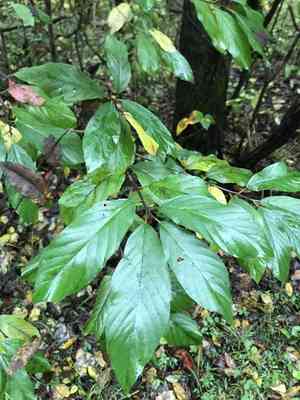
This plant is recognized for its appealing leaves and fruits that enhance the aesthetic of any outdoor space.
2
It aids local fauna by offering sustenance and shelter.
3
Simple to cultivate and care for, making it ideal for both new and seasoned gardeners.
Why is Carolina buckthorn a Valuable Addition to Your Garden?
Visual Appeal of Leaves and Fruit
A key characteristic of Carolina buckthorn is its striking foliage and berries. The leaves offer a lush, green canopy during the growing season, shifting to vivid yellow hues in autumn. The berries, initially green then maturing to deep black, provide visual interest and contrast against the leaves. This yearly transformation ensures your garden stays vibrant and colorful across all seasons.
Boosting Local Wildlife
Incorporating Carolina buckthorn is an excellent method to support local wildlife, as it functions as both a food source and a habitat. Birds are particularly drawn to the berries, which supply vital nutrients. Insects and small mammals also find refuge within its dense foliage, fostering a thriving ecosystem in your garden. By increasing plant diversity with Carolina buckthorn, you contribute to a healthier environment and encourage ecological balance.
Easy Care and Resilient
Carolina buckthorn is well-known for its minimal upkeep needs, making it an ideal selection for gardeners of all experience levels. It adapts to various soil types and can flourish in both partial shade and full sun. Once established, the plant requires little watering and is quite pest-resistant, reducing the need for excessive care or chemical treatments. This hardiness makes it a practical choice for those desiring a beautiful, yet simple-to-maintain plant.
How Does Carolina buckthorn Benefit the Environment?
Natural Soil Stabilization
Carolina buckthorn plays a crucial role in preventing soil erosion. Its strong root system helps stabilize the soil, making it an excellent option for planting on slopes or in areas prone to erosion. By anchoring the soil, the plant reduces runoff and soil loss, which is vital for maintaining topsoil health and preventing land degradation.
Improving Soil Quality
The root system of Carolina buckthorn not only prevents erosion but also enriches the soil. As the plant establishes itself, it encourages the formation of organic matter and improves soil structure. This enhances water retention and nutrient availability for other plants, creating a more fertile and productive garden environment.
How to Incorporate Carolina buckthorn into Your Garden Design?
Ideal for Borders and Hedges
Consider utilizing Carolina buckthorn as a border plant or to form natural hedges. Its dense foliage offers excellent coverage, creating natural barriers or privacy screens within your garden. This not only adds structure but also enhances the aesthetic appeal of your landscape design.
Companion Planting Ideas
Carolina buckthorn pairs well with various other plants, offering complementary aesthetics and mutual advantages. For instance, combining Carolina buckthorn with flowering perennials can create a beautiful and diverse garden. It's also compatible with other native shrubs, promoting biodiversity and supporting local flora and fauna.
Gardening Tips for Carolina buckthorn
Optimal Planting Conditions
For the best growth, plant Carolina buckthorn in well-drained soil with moderate sunlight. While it tolerates a range of conditions, providing ideal soil and light will encourage a healthier, more vibrant plant. Mulching around the base can help retain moisture and suppress weeds, further supporting its growth.
Seasonal Care Routine
Regularly prune Carolina buckthorn to maintain its shape and encourage new growth. Remove dead or diseased branches to promote overall plant health. During dry periods, occasional deep watering will help sustain the plant. Feeding with a balanced, slow-release fertilizer in early spring can also boost its growth and berry production.



