The White ash Plant Advantage: Maximizing Home and Office Appeal and Wellness
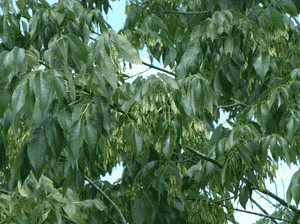
1
White ash is recognized for its remarkable durability and robustness.
2
This tree provides considerable environmental advantages, particularly for fauna.
3
It holds a vital position in both classic and contemporary landscape design for its beauty and utility.
What are the Ecological Benefits of White ash?
Supporting Wildlife and Biodiversity
White ash is crucial for local wildlife. Its seeds and leaves offer vital sustenance for various animals, birds, and insects. This tree's presence in forests creates a habitat that promotes biodiversity, fostering a healthy and balanced ecosystem.
Improving Soil Quality
Another key advantage of White ash is its capacity to enrich soil quality. Its extensive root system stabilizes the ground, preventing erosion and boosting soil fertility. The plant's decaying leaves act as a natural fertilizer, enriching the soil with organic matter and nutrients that benefit other nearby vegetation.
How Does White ash Benefit Urban Landscapes?
Aesthetic and Functional Landscaping
White ash is a favored option in urban landscaping due to its visual appeal and practical benefits. Its attractive foliage and majestic appearance make it popular for parks, streets, and home gardens. Furthermore, its shade-providing canopy helps cool urban areas, lessening the heat island effect common in cities.
Air Quality Improvement
In urban environments, White ash also contributes significantly to air purification. It absorbs pollutants like carbon dioxide, sulfur dioxide, and nitrogen oxides, while releasing oxygen. This natural air cleansing process makes the surroundings healthier for residents, enhancing overall public well-being.
What Makes White ash Valuable for Timber and Manufacturing?
Durability and Strength
The wood from White ash is highly esteemed for its exceptional durability and strength. It is frequently used in the production of furniture, sports equipment, and flooring. Its resistance to wear and smooth finish adds to its appeal in various woodworking applications.
Sustainability Factor
Utilizing White ash for timber products also offers a sustainable choice. When harvested responsibly, it ensures long-term availability and reduces the need for more environmentally damaging alternatives. This sustainability is essential for eco-conscious consumers seeking to make environmentally friendly decisions.
Why Incorporate White ash in Environmental Conservation Efforts?
Carbon Sequestration
White ash contributes substantially to carbon sequestration, which aids in combating climate change. By absorbing carbon dioxide from the atmosphere and storing it in its biomass, this plant plays a vital role in mitigating the greenhouse effect, making it a valuable ally in environmental conservation initiatives.
Enhancing Water Quality
Additionally, White ash can improve water quality by reducing runoff and filtering pollutants. Its roots help anchor soil, decreasing erosion that can carry harmful substances into water bodies. This function is particularly important in maintaining the health and clarity of our streams, rivers, and lakes.
What Role Does White ash Play in Traditional Practices?
Cultural Significance
White ash holds cultural importance in many regions due to its historical uses and symbolic value. It has been traditionally employed in various practices, from crafting artisanal products to being featured in cultural narratives and rituals. Understanding this cultural heritage illuminates the plant's broader significance beyond its ecological and practical applications.
Traditional Craftsmanship
This plant has long been valued for constructing traditional tools, weapons, and everyday items. Its robust yet workable wood has made it a preferred material for centuries, demonstrating its timeless utility and connection to human craftsmanship and ingenuity.



