The Blue ash Plant Advantage: Maximizing Home and Office Appeal and Wellness
1
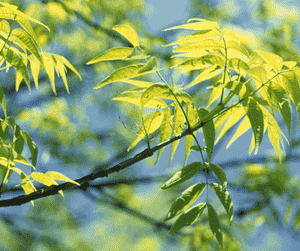
Blue ash is recognized by its characteristic square stems and peculiar bark pattern.
2
The timber from Blue ash is greatly prized for its resilience and utilized in specialized carpentry.
3
Blue ash contributes significantly to enhancing soil quality and sustaining regional ecosystems.
What Makes Blue ash Unique?
Distinctive Physical Characteristics
Blue ash is notable for its square-shaped stems, a trait rarely seen in other plants. This unique physical attribute makes it easily recognizable. Furthermore, the tree features a distinctive bark texture, enhancing its decorative appeal and making it a favored option for landscape design.
Adaptability to Various Soils
A key advantage of Blue ash is its ability to adapt to diverse soil types. This plant can flourish in a range of conditions, from heavy clay soils to well-drained sandy soils. This versatility makes Blue ash a flexible choice for both city and rural planting initiatives.
Ecological Value of Blue ash
Soil Health Improvement
Blue ash plays a vital role in boosting soil health. Its root system aids in preventing soil erosion and enhancing soil stability. Moreover, the leaf litter from Blue ash decomposes gradually, enriching the soil with organic matter and nutrients, which benefits surrounding vegetation.
Supporting Local Wildlife
Blue ash offers habitat and sustenance for various native wildlife species. Birds, mammals, and insects depend on this plant for refuge and nourishment. By planting Blue ash, you can contribute to your area's biodiversity, supporting the delicate balance of local ecosystems.
Economic Benefits of Blue ash
Valuable Wood Resource
The timber from Blue ash is highly valued in the woodworking industry due to its strength and attractive appearance. It is frequently used in crafting specialized furniture, flooring, and other wood products. Its economic worth makes it a sought-after material for artisans and manufacturers.
Landscaping and Ornamentation
Given its unique physical traits and adaptability, Blue ash is an excellent selection for landscaping projects. It reduces the need for soil amendments, thereby lowering landscaping expenses. Its distinctive look also adds aesthetic appeal to gardens, parks, and urban green spaces.
How to Cultivate Blue ash
Optimal Growing Conditions
To successfully grow Blue ash, understanding its ideal growing conditions is crucial. While adaptable, it thrives best in full sun to partial shade. Ensuring sufficient water, especially during its initial growth phases, will promote a healthy and vigorous plant.
Maintenance Tips
Blue ash requires minimal upkeep once established. Pruning should occur in late winter or early spring to encourage proper growth and structure. Regular checks for pests and diseases will also help maintain its health and appearance.
Community and Environmental Impact of Blue ash
Contributing to Green Spaces
The integration of Blue ash into community green areas has a significant positive effect. Its presence enhances the visual appeal of these spaces, making them more inviting for community members. Green spaces with diverse plant life, including Blue ash, also contribute to residents' mental well-being.
Benefits to Urban Environments
Blue ash can greatly benefit urban settings. It helps in mitigating urban heat islands through shading and transpiration. Additionally, it contributes to improving air quality by absorbing pollutants and releasing oxygen, fostering a healthier urban atmosphere.



