The Indian blanket Plant Advantage: Maximizing Home and Office Appeal and Wellness
1
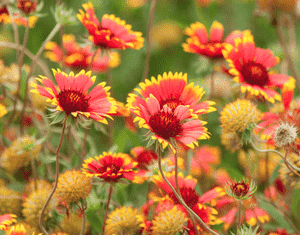
Gaillardia pulchella draws helpful insects such as bees and butterflies.
2
It flourishes in infertile ground, making it a superb, easy-care plant.
3
Provides bright, enduring flowers that improve garden beauty.
Why Opt for Indian Blanket in Your Garden?
Minimal Upkeep Requirements
Indian blanket thrives in less-than-ideal soil, including dry and sandy types. This makes it perfect for gardeners lacking time or resources for constant soil amendments. With little watering and no fertilization needed, it's an ideal plant for busy homeowners seeking vibrant garden color with minimal effort.
Attracts Beneficial Pollinators
A key environmental benefit of Indian blanket is its ability to draw in diverse pollinators. Bees, butterflies, and other helpful insects are attracted to its bright, daisy-like flowers, boosting pollination rates in your garden. This supports fruit and vegetable production and aids the local ecosystem by providing food and habitat for these vital species.
How Does Indian Blanket Enhance Your Garden's Beauty?
Vibrant, Enduring Blooms
Indian blanket produces stunning, multi-colored flowers ranging from red and orange to yellow and gold. These blooms last from early summer through late fall, offering continuous color and interest for months. Its lively appearance makes it an excellent addition to flower beds, borders, and even container gardens.
Design Versatility in Gardens
Indian blanket is a adaptable plant suitable for various garden settings. Whether you have a formal garden or a more relaxed, naturalistic landscape, it integrates seamlessly. It pairs well with other drought-tolerant plants like lavender, sage, and ornamental grasses, enabling you to create beautiful, low-maintenance combinations.
What is Indian Blanket's Role in Environmental Preservation?
Soil Erosion Prevention
The deep root system of Indian blanket makes it highly effective for erosion control. This plant stabilizes soil on slopes and hillsides, preventing runoff and soil loss, especially beneficial in erosion-prone areas. By planting Indian blanket, you help maintain your garden's soil structure integrity.
Native Habitat Restoration Efforts
Indian blanket is frequently used in native habitat restoration due to its adaptability and ecological benefits. Its presence helps restore native plant communities, providing habitat for local wildlife and boosting biodiversity. Incorporating Indian blanket into your garden aids in preserving local ecosystems and promotes sustainable gardening.
How to Plant and Care for Indian Blanket?
Planting Recommendations
For best results, plant Indian blanket in full sun. While it tolerates partial shade, full sunlight encourages the most vibrant blooms. Start seeds indoors 6-8 weeks before the last frost, or sow directly after frost danger passes. Space plants 12-18 inches apart for adequate air circulation.
Care Instructions
Indian blanket is low-maintenance but benefits from occasional care. Water regularly during its first growing season to establish a deep root system. Once established, it's drought-tolerant and needs little additional watering. Deadheading spent flowers encourages more blooms, and light pruning in early spring maintains a neat appearance.



