The Honey locust Plant Advantage: Maximizing Home and Office Appeal and Wellness
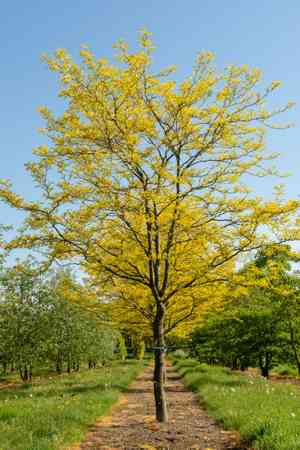
1
The honey locust is a resilient tree that flourishes in various soil types.
2
Honey locust offers beneficial shade and enhances the earth's condition.
3
Components of the honey locust can be utilized for creating natural dyes.
Why Consider Planting Honey Locust?
Environmental Adaptability
A key attribute of Honey locust is its remarkable capacity to flourish across diverse soil types. Whether the soil is clayey, loamy, or sandy, Honey locust adjusts readily, making it an excellent selection for varied garden settings. This resilience translates to less upkeep and fewer concerns about soil-specific issues, ensuring an effortless gardening experience.
Soil Enrichment
Honey locust significantly enhances soil vitality through its nitrogen-fixing abilities. By hosting nitrogen-fixing bacteria within its root nodules, the plant aids in converting atmospheric nitrogen into a form accessible to nearby flora. This natural fertilization method enriches the soil and lessens the need for synthetic fertilizers, fostering a more organic gardening approach.
How Does Honey Locust Benefit the Local Ecosystem?
Shade Provision and Habitat
Offering ample shade, Honey locust is an excellent tree for planting in areas exposed to intense sunlight. This shade not only cools the surroundings but also provides a home for various wildlife, including birds, insects, and small mammals. By integrating Honey locust into your landscape, you contribute to local biodiversity.
Erosion Prevention
The robust root system of Honey locust plays a vital role in preventing soil erosion. These roots stabilize the ground, especially on inclines or in areas prone to erosion, thereby safeguarding landscapes and reducing topsoil loss. This makes Honey locust an ideal plant for locations facing challenges with soil stability.
What Are the Practical Applications of Honey Locust?
Natural Dye Source
Parts of Honey locust, including its seed pods and seeds, can be used to produce natural dyes. These dyes find application in various crafts and textile manufacturing, offering an eco-friendly alternative to synthetic colorants. This sustainable practice not only reduces chemical usage but also adds a distinctive touch to handcrafted items.
Timber and Fuelwood
Honey locust wood is recognized for its hardness and durability, making it valuable for timber production. It is utilized in furniture construction, fencing, and even as firewood due to its excellent burning characteristics. By using Honey locust wood, you support sustainable forestry and decrease reliance on less eco-friendly wood sources.
Can Honey Locust Contribute to Renewable Energy Initiatives?
Biomass Generation
Honey locust is also noteworthy for its potential in biomass production. The plant material can be converted into biofuel, providing a renewable energy source. This aligns with global efforts to reduce dependence on fossil fuels and minimize carbon footprints.
Carbon Capture
Honey locust actively participates in carbon sequestration by absorbing carbon dioxide from the atmosphere and storing it within its biomass. This process helps mitigate climate change by reducing the concentration of greenhouse gases in the atmosphere.
What Makes Honey Locust a Sustainable Option?
Low Water Needs
Honey locust exhibits high drought tolerance, requiring relatively little water once established. This characteristic makes it an ideal plant for regions with limited water resources or in gardens aiming for water conservation.
Reduced Chemical Input
The natural pest resistance of Honey locust lessens the need for chemical pesticides and herbicides. This not only decreases chemical use but also fosters a healthier garden ecosystem. Gardeners can embrace a more natural approach to plant care, enhancing the overall sustainability of their gardening practices.



