The Baby's breath Plant Advantage: Maximizing Home and Office Appeal and Wellness
1
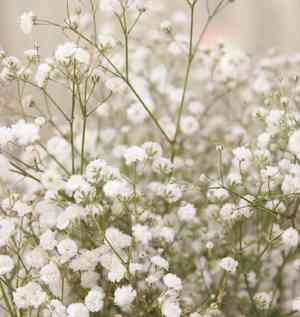
Gypsophila is a favored choice for enhancing the aesthetic appeal and sophistication of flower displays.
2
It serves as a superb companion, contributing to better soil quality and discouraging unwanted insects.
3
Gypsophila is an easy-to-care-for plant that flourishes in diverse ground types.
Why Opt for Gypsophila in Your Garden?
Boosting Visual Appeal
A primary reason to select Gypsophila is its delicate, cloud-like blossoms that impart a soft, romantic feel to any garden. Whether utilized as a border plant or in rock gardens, it offers a striking contrast to more vibrant or larger plants, providing an ethereal beauty that integrates seamlessly with diverse garden styles.
Minimal Upkeep Requirements
Gypsophila is renowned for its hardiness and low maintenance needs. This robust plant is drought-tolerant, needing little irrigation once established. It's also quite resistant to pests and diseases, making it an excellent choice for both new and seasoned gardeners. The plant thrives in well-drained soil under full sun, though it can tolerate partial shade.
The Ecological Advantages of Gypsophila
Improving Soil Quality
Another significant benefit of cultivating Gypsophila is its capacity to enhance soil health. Its extensive root system aids in soil stabilization, reducing erosion and improving soil structure. The plant also contributes to nitrogen fixation, boosting nutrient availability for nearby plants, making it an excellent companion plant.
Attracting Pollinators
Gypsophila is a superb plant for drawing in beneficial insects like bees and butterflies, which are vital for pollination in your garden. By fostering a more diverse ecosystem, the presence of Gypsophila can indirectly enhance the health and yield of other flowering and fruit-bearing plants nearby.
Versatility in Applications
Floral Arrangements
Beyond its landscaping benefits, Gypsophila is highly valued in the floral industry. Its airy clusters of small white or pink flowers make it a preferred filler in bouquets, wedding arrangements, and other floral decorations. The plant's neutral hue complements a variety of flowers, improving overall aesthetics without overshadowing the main blooms.
Crafting and Home Decor
The adaptability of Gypsophila extends to crafting and interior decoration. Dried Gypsophila flowers retain their form and color exceptionally well, making them perfect for creating lasting wreaths, dried bouquets, and other home decor items. Their delicate nature adds a touch of sophistication to various crafts and can be used to elevate any room's atmosphere.
FAQs Regarding Gypsophila
How Should I Care for Gypsophila?
Gypsophila requires minimal attention once planted. Ensure it is in well-drained soil and receives at least six hours of direct sunlight daily. Water it moderately, especially during its initial growth stages, and avoid over-watering to prevent root rot.
Is Gypsophila Suitable for Indoor Cultivation?
While Gypsophila is typically grown outdoors, it can be potted and kept indoors in sunny locations. Ensure proper drainage to prevent waterlogging and replicate its natural sunlight exposure as closely as possible for optimal development.



