The Persian ivy Plant Advantage: Maximizing Home and Office Appeal and Wellness
1
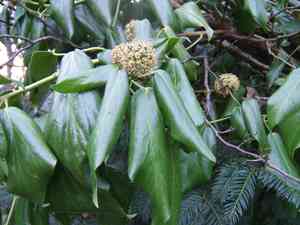
Persian ivy effectively cleanses the air, enhancing indoor air quality.
2
This plant is recognized for its resilience and capacity to flourish in diverse environments.
3
Persian ivy offers a vibrant, verdant appearance that beautifies any garden or indoor setting.
Why Opt for Persian Ivy in Your Environment?
Visual Charm
Persian ivy showcases abundant, thick foliage that introduces a lively green element to any setting. Its appealing leaves and robust development make it a favored option for both ground cover and decorative uses. Whether cascading from hanging planters or ascending trellises, Persian ivy imparts a natural, refined look to your area.
Versatility and Resilience
A key characteristic of Persian ivy is its adaptability. It flourishes across various light conditions, from deep shade to partial sun, making it an excellent selection for diverse locations in your home or garden. Furthermore, Persian ivy is recognized for its toughness, capable of enduring different climates and soil types, which contributes to its relatively low-maintenance nature.
How Persian Ivy Improves Air Quality
Air Purification
Persian ivy is well-known for its capacity to cleanse air by eliminating toxins and enhancing overall air quality. This makes it a superb addition to indoor spaces, where air pollution can frequently be a concern. Research indicates that many houseplants, including Persian ivy, can remove volatile organic compounds (VOCs) from the air, fostering a healthier living environment.
Oxygen Generation
Persian ivy not only purifies the air but also contributes to elevated oxygen levels. Throughout the day, it absorbs carbon dioxide and releases oxygen, which can boost indoor air quality and create a more invigorating atmosphere. This is especially advantageous in confined areas where ventilation might be limited.
Practical Applications of Persian Ivy in Landscaping
Ground Cover
Due to its dense growth and spreading habit, Persian ivy serves as an outstanding ground cover choice for gardens. It aids in preventing soil erosion and suppressing weed growth, lessening the need for frequent garden upkeep. Its thick foliage provides a lush, green carpet that enhances the aesthetic appeal of your garden.
Vertical Greenery
Persian ivy is also perfect for establishing vertical greenery. It can ascend walls, fences, and trellises, transforming plain surfaces into vibrant living walls. This not only boosts visual appeal but also helps insulate buildings, potentially lowering heating and cooling expenses. Moreover, vertical gardens with Persian ivy can create a natural privacy screen, offering seclusion in outdoor areas.
Caring for Persian Ivy: Advice and Best Practices
Watering and Soil Needs
Persian ivy thrives in well-drained soil but can tolerate various soil conditions. It's crucial to keep the soil consistently moist, particularly during the active growth period. However, excessive watering should be avoided to prevent root rot. Regular irrigation ensures the plant remains healthy and vibrant.
Trimming and Upkeep
Routine pruning is vital to manage Persian ivy's growth and maintain its desired form. It can be cut back in the spring to encourage new growth and keep it in check. Occasional trimming also helps prevent the plant from becoming too invasive, especially when cultivated outdoors.
Understanding Persian Ivy's Environmental Impact
Support for Local Wildlife
In garden settings, Persian ivy can provide refuge and sustenance for local wildlife. Its foliage offers habitat for insects and small creatures, contributing to your garden's biodiversity. By supporting the local ecosystem, you foster a more sustainable and balanced environment.
Erosion Control and Soil Health
Persian ivy plays a significant role in preventing soil erosion. Its extensive root system helps bind the soil, reducing the loss of topsoil due to wind and water. This is particularly beneficial on slopes and in areas prone to erosion. Additionally, by maintaining soil health, Persian ivy promotes better water retention and nutrient availability for other plants in the garden.



