The Native frangipani Plant Advantage: Maximizing Home and Office Appeal and Wellness
1
The native frangipani tolerates dry conditions well, ideal for arid regions.
2
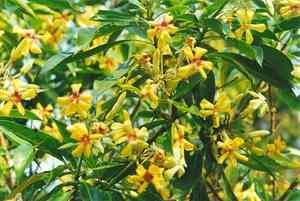
This plant yields aromatic yellow blossoms that draw in beneficial insects.
3
Native frangipani serves as both a compact tree and an expansive shrub in garden designs.
Why Opt for Native Frangipani in Your Garden?
Resilience to Drought and Minimal Upkeep
A key reason to consider adding Native frangipani to your garden is its exceptional ability to withstand dry conditions. This plant flourishes in arid climates, reducing the need for frequent watering, which is especially advantageous in areas facing water scarcity. Its low-maintenance nature means you can enjoy a beautiful garden with little effort. Once established, Native frangipani requires minimal to no irrigation, making it an eco-conscious choice for your landscape.
Appealing and Scented Blooms
Native frangipani is renowned for its striking yellow blossoms, which not only add a vibrant touch to your garden but also emit a delightful aroma. These flowers are particularly enticing to pollinators such as bees and butterflies, aiding in the fertilization of other plants in your garden. The flowering period typically extends from spring to early summer, offering a prolonged display of beauty and fragrance.
What to Expect When Cultivating Native Frangipani?
Optimal Growing Conditions
Native frangipani thrives best in well-draining soil and locations that receive full to partial sunlight. It can adapt to various soil types, though sandy or loamy soils generally yield the best results. Planting Native frangipani where it gets ample sunlight will ensure robust growth and abundant flowering. While resilient, providing occasional deep watering during extended dry periods can support its vitality.
Growth Habits and Landscape Application
This plant can develop as either a small tree or a large shrub, depending on pruning and care. Typically reaching heights of up to 10 meters, Native frangipani can serve as an ornamental tree in larger gardens or be trimmed to form a dense, flowering hedge. Its adaptability in landscaping makes it suitable for diverse garden styles, whether you seek a focal point or a complementary background plant.
How Does Native Frangipani Benefit the Environment?
Wildlife Sanctuary
Native frangipani offers refuge and sustenance for various wildlife species. Its dense foliage provides a habitat for birds and small mammals, while its flowers attract pollinators. By incorporating Native frangipani into your garden, you can create a miniature ecosystem that supports local biodiversity, contributing to environmental preservation.
Air Quality Improvement and Erosion Prevention
Plants like Native frangipani play a vital role in enhancing air quality by absorbing carbon dioxide and releasing oxygen. Furthermore, the roots of Native frangipani help stabilize the soil, preventing erosion. This is particularly advantageous for gardens on slopes or in areas prone to soil degradation. By planting Native frangipani, you not only beautify your space but also positively impact the environment.
Advice for Planting and Caring for Native Frangipani
Planting Recommendations
To plant Native frangipani, dig a hole that is twice as wide and equally deep as the root ball. Amending the soil with compost can supply additional nutrients to support initial development. After planting, water the plant thoroughly to aid in root establishment.
Maintenance Suggestions
Regular pruning helps maintain the desired form and encourages blooming. Removing dead or damaged branches allows the plant to direct its energy towards healthy growth. Mulching around the base can help retain soil moisture and suppress weeds, though its drought-tolerant nature means this isn't consistently required.



