The Peach-leaf holly Plant Advantage: Maximizing Home and Office Appeal and Wellness
1
Peach-leaf holly naturally deters pests, contributing to a thriving garden free from harsh substances.
2
Its thick leaves create a superb sanctuary for native animals and promotes ecological diversity.
3
This robust, evergreen shrub is perfect for landscaping and decorative uses.
What are the Ecological Advantages of Peach-leaf holly?
Supporting Local Wildlife
Peach-leaf holly provides crucial refuge for various native animal species. Its thick leaves offer cover and nesting sites for birds and small mammals, while its fruit serves as sustenance for numerous avian creatures. By cultivating Peach-leaf holly, gardeners can aid in sustaining local wildlife and fostering biodiversity in their region.
Natural Pest Control
A notable benefit of Peach-leaf holly is its capacity to function as a natural pest deterrent. The plant emits specific compounds that repel insects, lessening the need for synthetic pesticides. This makes it an excellent option for organic and sustainable gardening methods. Furthermore, the presence of Peach-leaf holly can help safeguard nearby plants by keeping harmful bugs away.
Why is Peach-leaf holly Optimal for Landscaping?
Resilient and Easy to Maintain
Peach-leaf holly is recognized for its durability and minimal upkeep, making it an ideal selection for landscape design. It can flourish in diverse soil types and endure a range of environmental conditions, from frigid winters to scorching summers. This hardiness ensures that Peach-leaf holly remains an attractive and practical element of the landscape year-round, requiring little effort from gardeners.
Visual Appeal
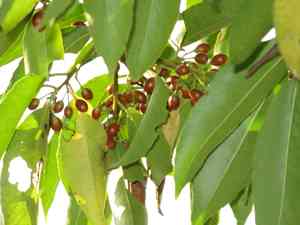
Peach-leaf holly presents an attractive appearance with its shiny green leaves and vibrant berries, adding color and texture to any garden. The plant's evergreen nature means it offers consistent visual interest throughout the year. Garden designers and landscapers frequently utilize Peach-leaf holly to form hedges, borders, and focal points in garden layouts, enhancing the overall beauty of outdoor areas.
How to Nurture and Grow Peach-leaf holly?
Planting and Soil Requirements
Peach-leaf holly is relatively simple to plant and cultivate, provided it is situated in well-draining soil. It can adapt to varying soil pH levels, though it thrives best in slightly acidic to neutral soils. When planting Peach-leaf holly, ensure it receives ample sunlightâwhile it can tolerate partial shade, full sun promotes healthier growth and more vivid foliage.
Watering and Fertilization
Peach-leaf holly requires consistent watering, especially during its initial growth phase and in dry periods. However, it is crucial not to overwater, as the plant is vulnerable to root rot if the soil remains waterlogged. Fertilization should be applied sparingly, with a balanced, slow-release fertilizer used in early spring to support new growth. Avoid excessive fertilization, as this can lead to abundant foliage at the expense of blooms and berries.
What Are Some Distinctive Applications of Peach-leaf holly?
Privacy Screens and Hedges
Due to its dense growth habit, Peach-leaf holly is frequently employed to create privacy screens and hedges in residential and commercial settings. Its thick foliage effectively blocks noise and provides a visual barrier, making it a practical choice for establishing secluded outdoor spaces. Additionally, because it is evergreen, Peach-leaf holly guarantees year-round privacy.
Erosion Control
Peach-leaf holly can also be utilized in erosion prevention projects. Its robust root system helps stabilize soil, preventing erosion on slopes and embankments. Planting Peach-leaf holly in vulnerable areas can protect the soil from being washed away by rain and irrigation, thereby preserving the landscape and maintaining the integrity of the soil structure.
Can Peach-leaf holly Be Incorporated into Urban Gardening?
Air Quality Improvement
In urban environments, Peach-leaf holly contributes to enhancing air quality. The plant's foliage can capture dust, pollutants, and particulate matter from the air, helping to purify the environment. Additionally, it absorbs carbon dioxide and releases oxygen during photosynthesis, contributing to improved air quality in densely populated areas.
Green Space Enhancement
Urban gardens and green areas greatly benefit from the inclusion of Peach-leaf holly. Its aesthetic appeal, combined with its low maintenance needs, makes it a popular choice for city planners and landscape architects. Peach-leaf holly can be used in public parks, rooftop gardens, and street plantings to enhance green spaces and provide a more pleasant urban environment.



