The Large gallberry Plant Advantage: Maximizing Home and Office Appeal and Wellness
1
Large gallberry is superb for drawing in beneficial insects such as bees and butterflies.
2
Large gallberry offers effective natural screening when cultivated as a barrier.
3
Large gallberry is recognized for its robust characteristics and minimal upkeep.
Benefits of Incorporating Large Gallberry into Your Garden
Attracts Pollinators
A key advantage of cultivating Large gallberry in your garden is its capacity to draw in pollinators like bees and butterflies. These insects are vital for the reproduction of many flowering plants, and their presence indicates a thriving ecosystem. Large gallberry produces blossoms that offer a rich nectar source, ensuring these beneficial insects visit your garden frequently. By attracting pollinators, you not only support biodiversity but also facilitate the pollination of other plants in your garden.
Natural Screening
Large gallberry is an excellent option if you aim to establish a natural privacy screen in your garden. As it matures, it develops dense foliage that can serve as a barrier, offering seclusion from neighbors and reducing noise. This characteristic makes Large gallberry particularly useful for urban gardens where space is limited and privacy is a concern. Planting Large gallberry along property lines or around seating areas can create tranquil, secluded spaces while adding greenery to your landscape.
Low Maintenance and Resilience of Large Gallberry
Tolerance to Drought
A prominent feature of Large gallberry is its ability to withstand drought. This plant is well-suited to survive in areas with limited water, making it an ideal choice for regions prone to dry periods. Once established, Large gallberry needs minimal watering, significantly lowering your garden's water usage. This hardiness not only makes it an eco-friendly option but also reduces the time and effort required for garden upkeep.
Resistance to Pests and Diseases
Another notable attribute of Large gallberry is its immunity to common garden pests and diseases. Unlike other plants that might need frequent pesticide applications, Large gallberry naturally resists many pests and diseases, making it a sustainable choice for your garden. This resistance decreases the need for chemical interventions, thereby fostering a healthier garden ecosystem and minimizing your exposure to potentially harmful substances.
Adaptability in Landscaping with Large Gallberry
Aesthetic Appeal
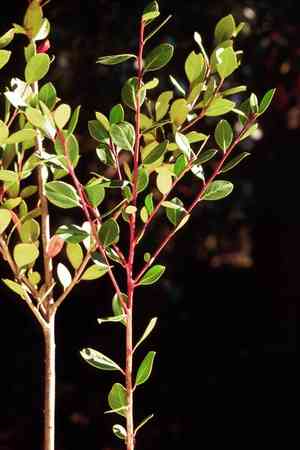
Large gallberry stands out due to its appealing appearance, featuring vibrant green leaves and attractive flowers. Its ornamental value makes it a versatile addition to various landscaping designs, from formal garden beds to informal cottage gardens. Whether used as a focal point or a background plant, Large gallberry enhances the visual charm of any outdoor area. Its evergreen foliage ensures your garden remains lively throughout the year, providing continuous beauty.
Companion Planting Benefits
Large gallberry can be effectively utilized in companion planting strategies. When grown alongside other garden favorites, it can improve overall plant health by attracting beneficial insects that prey on garden pests. Additionally, its presence can enhance soil quality through its leaf litter, which decomposes to add organic matter to the soil. This compatibility with other plants makes Large gallberry an excellent choice for creating a flourishing, interconnected garden ecosystem.
Caring for Large Gallberry
Planting and Soil Needs
To ensure the robust growth of Large gallberry, it's essential to plant it in well-drained soil. While Large gallberry adapts to various soil types, it thrives best in slightly acidic to neutral soils. When planting, dig a hole twice as wide and as deep as the root ball. This allows the roots ample space to spread and establish more quickly. After planting, water the plant thoroughly to help it settle into its new environment.
Pruning and Feeding
Large gallberry requires minimal pruning to maintain its form and encourage denser growth. The optimal time to prune is in late winter or early spring before new growth emerges. Remove any dead or damaged branches to keep the plant healthy. Regarding fertilization, applying a balanced, slow-release fertilizer in early spring can promote vigorous growth. Avoid over-fertilizing, as this can lead to rapid, weak growth and increased vulnerability to pests and diseases.



